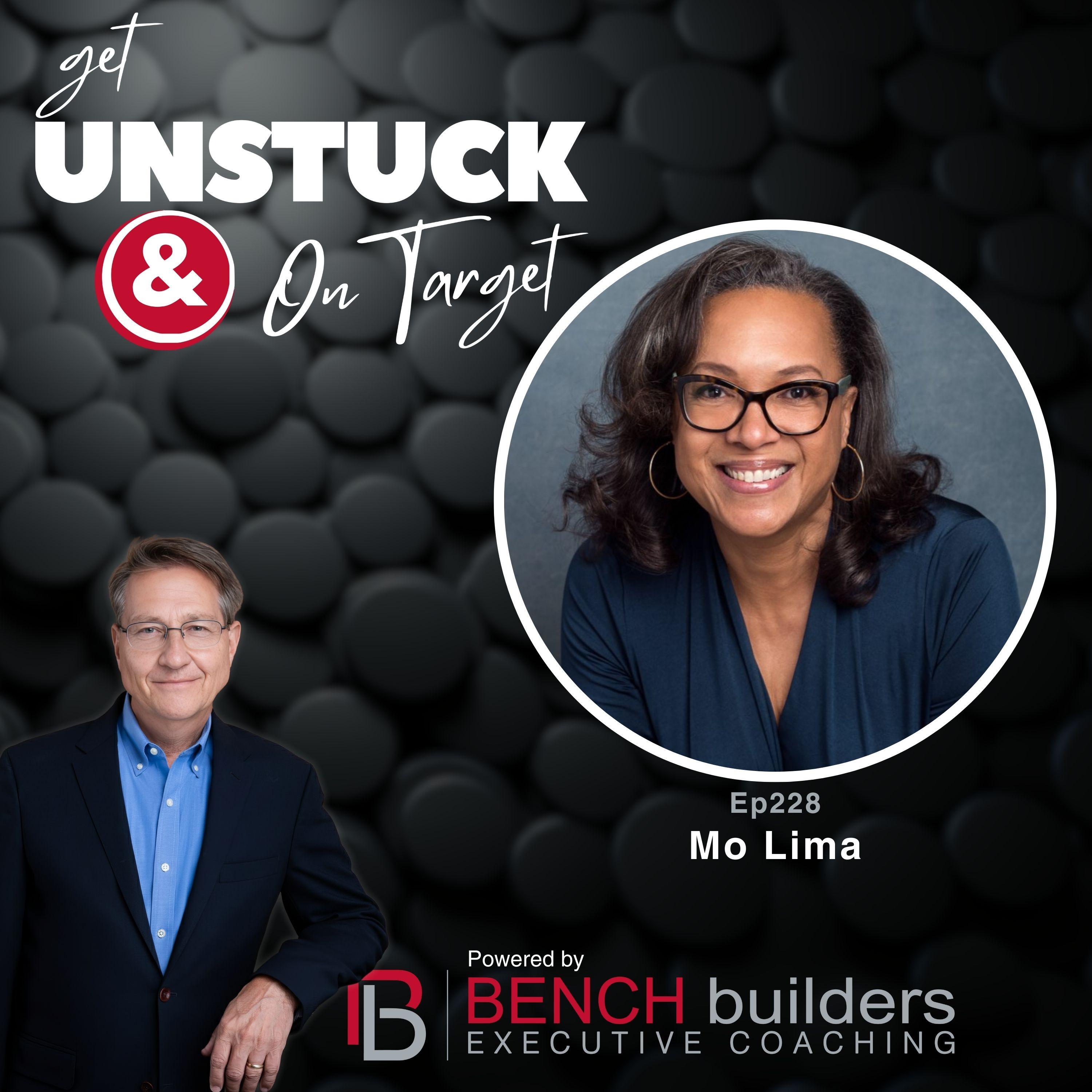
Ep228 Mo Lima - Why Your Image Speaks Before You Do (And What Leaders Get Wrong About It)


Schedule a Game Plan Intro Call Here
This 15-minute call is a chance for us to connect briefly and see if a full Game Plan Session is the right next step. No prep required — just bring your goals or questions, and we’ll explore whether a deeper dive makes sense.
______________________________
Most leaders spend YEARS perfecting their skills…
But completely ignore how they actually SHOW UP.
Your image? It's doing the talking before you even open your mouth.
And if you're not intentional about it… you're leaving credibility, trust, and opportunities on the table.
In this episode, Mike sits down with Mo Lima — a former Fortune 100 marketing exec turned professional photographer — to break down how leaders can use their image to build a personal brand that feels REAL, not rehearsed.
Here's what you'll learn:
- How to audit your image in under 5 minutes (Google yourself… you might be surprised)
- Why front-facing photos build MORE connection than "stylized" shots
- The psychology behind eyes, expression, and trust in your headshots
- How deliberate branding helps your team understand your direction faster
- Why most LinkedIn profiles FAIL at the one thing that matters most
- The exact process Mo uses to help clients discover (or rediscover) who they really are
Mike brings his coaching lens to this conversation…
Asking the kinds of questions that help leaders think differently about how they're perceived — and how that perception affects their impact.
If you've been so focused on leading others that you've forgotten to show up AS a leader…
This episode's for you.
Hit play. Take notes. And maybe… book that headshot session you've been putting off.
Mike O'Neill 0:00
As I look at your work, people are looking into the camera, and it seems to me that I'm seeing the real person
Mo Lima 0:08
connecting with the person that you are photographing can make all the difference in the world how you understand them and how you make them look what tickles their funny bones, so that you can get that genuine reaction from them.
Mike O'Neill 0:24
Welcome to get unstuck and on target, the weekly podcast that offers senior leaders insights and strategies to not only lead with confidence and vision, but also to achieve groundbreaking results. I'm your host. Mike O'Neill, I coach top level executives on the power of ethical leadership to forge teams to be as united as they are effective in each episode, join me for insightful conversations with leaders just like you providing practical advice to help you get unstuck and propel you and your company forward. Let's get started.
Mike O'Neill 1:07
As a coach, I often remind leaders that presence isn't optional. Your image speaks before you do, and if you overlook that, you risk missed opportunities and weaker connections. That's why I brought on mo Lima a professional photographer who helps leaders create portraits that feel authentic, not staged. We talk about how personal brand isn't just about marketing, it's about clarity, confidence and how you show up as a leader. And what struck me most was how often the process of getting the right image also helps people rediscover who they are. So if you've been so focused on leading others that you've stopped thinking about how you show up, this episode will help you rethink your presence and your impact. My guest today is Mo Lima, a certified professional photographer and the founder of Mo Lima photography studio in Alpharetta, Georgia, for those don't know that's in the Atlanta area, after nearly two decades leading digital marketing initiatives for Fortune 100 companies, Mo made a bold pivot. She turned her passion for visual storytelling into a boutique business focused on helping people show up with confidence and credibility. I asked mo if she'd be willing to come on the podcast for several reasons, but it really struck me is that in leadership, presence really isn't optional. Your image often speaks before you. Dude and leaders who overlook that risk miss opportunities weaker connections and credibility gaps. Mo, helps clients from executives to entrepreneurs, create portraits that don't just look polished but feel authentic. Welcome.
Mo Lima 2:53
Mo, thank you so much, Mike. I'm so happy to be here.
Mike O'Neill 2:58
Mo, we're going to jump right in. This is a topic that I'm was interested to have as a podcast, because what you do, at its essence, is help people create a personal brand. Let's start there. Why is a personal brand so important today?
Mo Lima 3:18
Well, you hear a lot about personal brand for the past, I don't know, decade or so, and really, everybody has some kind of personal brand. That's the way the world understands us, whether we like it or not, whatever we're projecting is what people see and understand about us. And it's so important for leaders to have a cohesive brand, so that teams can understand the direction that they need to go and what's important to management and be better aligned. It starts from perception. It starts from image.
Mike O'Neill 3:57
You know what caught my attention with you originally, as I was watching your post, and I was watching not only the product that you produce, but your commentary on how you go about producing that, not necessarily the technical side, but as I look at your work, people are looking into The camera, and it seems to me that I'm seeing the real person, not some stiff, propped up thing that doesn't come by accident, does it
Mo Lima 4:31
not at all? No, like I spend a lot of time with clients, believe it or not, we talk about their brand and what they want to do with their image in my custom sessions, and I really try to understand them. I offer them, you know, a questionnaire that's part of the whole thing to give me a little bit of background about them. And then we meet in person, or sometimes just zoom, depending on, you know, where we are. And I really try to get to understand them. I do a little research about them too. So everybody that I photograph I've done a little research on. And it really helps to have a clear understanding of that person, even if they don't have a cohesive brand. Sometimes I can help with that because I've had years of experience in marketing, and I understand color, and I understand position and posing and all of that stuff that's sort of along the technical lines, but really just connecting, connecting with your subject, like any artist, and I do consider photography art connecting with the person that you are photographing can make all the difference in the world about how you understand them and how you make them look and you know what tickles their funny bones, so that you can get that genuine reaction from them. So No, it's not by accident. I spend a lot of time getting to know each client that comes in for a custom session.
Mike O'Neill 6:09
I'd like to learn more about the custom sessions for a moment, and that is, you spend time on the front end, really trying to get to know them well. And it sounds like in the process, they might even get to know themselves a little better.
Mo Lima 6:27
That is a great point. It really is. Sometimes, as we're going through the questionnaire that I have for these custom sessions, they're like, I never thought about that. I never thought about, you know, thinking about that. For my business, for my personal brand, Where do I stand and and so that really does sometimes bring on an aha moment to them. It's nice to see people come to that aha moment. And I really enjoy that.
Mike O'Neill 6:59
You know, Mo, I wanted to get a sense of you and what you do, and so I actually signed up for one of your head shot sessions. We're scheduled to do that in about a week from recording this. But let's kind of contrast, a headshot is just that it's not quite the as robust, but headshots, I look at LinkedIn profiles and I see all types of things when people are thinking about their headshots, what are the things that they need to be mindful of that would help them convey that brand that you're talking about?
Mo Lima 7:37
Great question. So I do help people pick out images specifically for those LinkedIn profiles, as opposed to a company directory or speaking engagement. For in my experience, the LinkedIn profile, of course, needs to really show the face of that person. I see some that are, you know, they're like three quarter body. I can't see your face. I don't know what you look like. It may be artistically great, but for that profile image, it's important to actually see that person's face. You've got limited real estate. You can't fool around. And in my opinion, I love to see a front facing image of a person I know. Sometimes people like the stylized ones, where they're turned to the side, which is great, but for that quintessential LinkedIn profile image, I want to connect with you. When you're talking with someone in person, you're not turned to the side, like this kind of means, like, I'm not really interested in you, I'm just giving you my face, but I'm really headed that way when you're facing this way. And I was a psychology student, so I love psychology. When you're facing this way, you're really engaged, you're really, you know, focused on making a connection. So that that's my preference. I do like the stylized look. It is nice sometimes, and it's nice to have a variety of looks. But for that LinkedIn profile, it's a small piece of real estate that you must use effectively.
Mike O'Neill 9:21
I in my intro of you, point out that you spent nearly two decades in a corporate marketing role for very large organizations, but you made a decision to leave that and start doing what you're doing. Can you, if you don't mind, share a little bit about that has to feel, and was a bit risky, was it not?
Mo Lima 9:45
Was absolutely a risk to become an entrepreneur from a corporate role. So I worked in in marketing, digital marketing, and I was. Was on large corporate website projects. That was primarily what I did. So we did buying of ads, and there was a lot of imagery involved. And I'd always I'd done photography for decades, when my mother bought me my first real, you know, professional camera in high school. So it was film me too, yep, and I decided that I wanted to pursue what I had been doing. I had a little studio in my my basement that I was doing on the side, because I loved it. I loved the art of it. And to be honest, I was a certain age, and in the company that I was in, people at my age were invited to voluntarily retire. So there were 1000s and 1000s of us invited to retire, and so I kind of took the money and ran I could have gone off to do consulting or try for a new corporate job, but something in me wanted to use what I knew to create something and really be more creative. I have gone to school for art, so that was always a part of what I wanted to do, but making that shift, that was a crazy risk. My husband was not on board at first, so you can imagine, but this is something that I loved, and I thought, Well, I'm a certain age now it's going to be harder to find a job, perhaps. So what's the cure for ageism is entrepreneurship. So that's kind of what brought me there. I wanted to do something I loved. I wanted to make it into a business. So it wasn't just I want to do photography. I wanted to make this into a business where I could help people and use what I've learned throughout the years in my marketing career,
Mike O'Neill 12:14
I can see how all that would serve to kind of prepare you for what you were doing. You made that plunge. How long have you had a studio?
Mo Lima 12:25
So I've had, I've been in business full time and had a studio for eight years now. Gotcha.
Mike O'Neill 12:33
In those eight years, I know a lot has happened that the world is turned upside down, and it's hard to even characterize what's happened in the last eight years. Let's go back just for a moment. You mentioned that you started off with film cameras. I too. I may even have some over my shoulder right now, but I remember so vividly when I was framing up a picture, I had to pause because I knew every time I hit that shutter button, if I had that film developed and printed, there's a cost, yes, so I was much more deliberate on when I hit that button today. We are not constrained that way. But has that, in your opinion, affected, maybe the quality of imagery that we see everywhere.
Mo Lima 13:26
That's a good question. Um, I do believe that it makes a difference. I too, take the time before I even today, before I hit that, that shutter button, because I know I don't want to waste time going through hundreds and hundreds of photos to find the best ones. That's a waste of time. So that deliberate behavior is very beneficial.
Mike O'Neill 13:51
And so I was thinking the cost of the printing, and what you're saying is the cost of your time to sort through all those Yes, that makes good sense.
Mo Lima 14:03
So the value is still there in the deliberate behavior.
Mike O'Neill 14:11
We've talked a bit about your custom work with clients. We've talked little about head shots. We've talked a little about the fact that you have a psychology degree like myself, and we've talked a little bit about you kind of making the plunge, choosing to be self employed, maybe not by choice, but you had a choice to how you're going to go about doing that. Would you mind elaborate a little bit on that when you opened your business eight years ago? Did you have any idea of everything that would be involved with starting a business?
Mo Lima 14:47
Heck no, you live and learn, right that you do. But yeah, I really didn't understand what it all meant to be in business. For myself, how much time I would really be able to photograph I thought I would be, you know, able to photograph most of the time, at least 75% of the time, I find myself photographing 25% of the time and doing the business, working on the business, you know, the rest of the time, even though I have people helping me still, I don't get to photograph the way I wanted to at the beginning, though I still love it, and what I needed to go through was a surprise to me. I've had businesses before. This is not my first one, but it was my first one where I was the technician, and I was the one that was doing the work, and the primary source of the work, people come because of me, personally, not because of my product, necessarily, because there's a lot of competition with photographers. People work with who they like. People work with who they trust, right? Just like with any other kind of entrepreneurship or small business, there's lots of choices for people to go to different vendors or, you know, services. And I did not realize that I truly needed to differentiate myself to be able to be successful in business.
Mike O'Neill 16:27
You know, you raise a point that I would like to follow up on, and before I do, I want to make another observation. Mo, I'm learning you and I have had somewhat of a similar path. I spent two plus decades in a corporate HR role, and I actually got into entrepreneurship, not necessarily because I chose to. At the beginning. I chose to do entrepreneurship because it means I could still provide for my family without relocating them. But I did find that the corporate world does not prepare a person to be an entrepreneur, and therefore I am naturally drawn to entrepreneurs like yourself, and I'm realizing the ones who succeed have to be able to stomach that risk that you made reference to. I would love to go back to something you just said, and that is, you operate in a very crowded market. You're in the metro Atlanta area. There are many folks doing what you do, and what I think I heard you say is that they come to you not necessarily because they've seen your work product. They are coming to you because they have developed kind of a sense of who you are. Am I hearing that correctly?
Mo Lima 17:47
So initially, they might see my work or be referred to and look at my work, but they will come back because of the experience.
Mike O'Neill 18:00
Are you under even that much more pressure? What is the expression the cobblers children have no shoes. As a photographer, did you take your own picture? If I will, for LinkedIn,
Mo Lima 18:15
I only photograph myself. I don't want anybody photographing me. Isn't that funny. I like to be behind the camera. No, like to be in front of the camera. It's crazy, but those are all self portraits, and it's fun to watch me do it too. It's quite comical.
Mike O'Neill 18:32
Well, I'm looking forward to at least see you work taking a picture of me and perhaps others. I love to ask another photography question, and that is, you strike me. I've seen your work. It's very, very good, but it strikes me as when you're looking through the lens, if that's the right term, it may be on the little monitor, but when you're looking through it seems to me that expression the eyes are the what door to the soul, something like that. Have you seen that itself? Do you find that when you're looking at someone particularly looking so intently, do you feel like you're looking into them in ways that people might not realize?
Mo Lima 19:17
Yes, I do feel that way. I start that when we have our first conversation in person, I then make sure that I keep that kind of connection as I'm photographing, they know who I am, and they know how I talk to them, and so they're very comfortable, and I try to maintain that level of comfort. Making people feel good about being in front of the camera is half the battle in making that connection with what's coming through, and the eyes are the windows to the soul. You can see what people are thinking. You can come. Connect with them through their eyes. Expression is important, but that connection with the eyes whenever you're doing any kind of branding work is so important.
Mike O'Neill 20:14
We're coming back to that term branding, because it's so very much important when you are working with a client and they're trying to establish a brand, you share that you might have them complete a questionnaire. But for for people who are kind of new to this idea of branding, let's say that they just kind of show up and they have no idea. How do you get them to a good starting point?
Mo Lima 20:46
So some people, yeah, they come in. They don't know. They don't come in for the session. This I talk with them before the session, so they have an idea. If I'm doing a special where I'm doing multiple headshots in a day, I don't have time to talk to everybody, so just, I just want to distinguish between a custom session and then, like an all day special that's totally different. And a lot of times I don't get to connect with people in the same way during those sessions, because my time is part of the cost of of that. But you know, I tend to be really friendly, and people connect with me pretty easily. I love to make people feel good, and they kind of sense that, and I offer them like, you know, relaxing makeup session for women, so they get to really get a feel and feel really good about themselves in those photos. So that also helps. It's not just me making a connection, but me making sure that my studio is set up for their comfort and coffee, you know, whatever, to make them feel comfortable and to improve that connection. And I do talk with them about their brand a little bit. Every person that I photograph, I do talk with them about their styling and what they want to convey that is just so important. And I know I'm getting a little off topic, but it is so important to understand how you want to convey who you are, because you're informing the world how to understand you. And by nature, people struggle to understand and make sense of the world and to make sense of what's around them. Why not make it easy for them and really define your brand? I do kind of try to coax that out of everyone that I photograph. What is it about them?
Mike O'Neill 22:52
You know, one thing I like about the format that we're using is when I guess once a quote go off topic. The reality is off topic is very much on topic because it speaks to you, and I'm confident that that just spoke to our listeners. I would love to come back to something that you alluded to earlier, but let me go ahead and phrase it the way I typically ask the guest, and that is, this show is about helping leaders get unstuck. Your own career shift was such a powerful story. You gave us a little bit of a feel for what that's about, but it may be another circumstance where you could take us back to a time where you felt stuck and what helped you move forward.
Mo Lima 23:38
Yeah, actually, during the pandemic, I was pretty stuck, because I couldn't photograph people. There was nothing that I could do, and getting clients was a little more difficult. I had to pivot into doing real estate photography and other things to pick up some some money at that point, but I wanted to get back on track as soon as things kind of started to settle down again. And one of the risks, I felt it was a risk, because at the time, I didn't have as much money because I had been doing real estate, which doesn't pay as well as portrait work, just FYI. And so I was like, I don't have that much money, but I really need to figure out how I can move forward, what I can do, because I don't want to keep doing this. And once you let up the gas on a certain path, it's sometimes hard to gain enough traction to get back on the path. So what I did was I hired a very expensive coach, and she was amazing. She was amazing. She helped me spend less time. On trying to rev back up again. She told me what I needed to do. And, you know, we were able to figure out how to improve my business. And you know, that year, it improved my business by $75,000 I mean, it was, yeah, it was amazing. So that was one risk, because I was like, that's what she wanted to charge. Was a lot of money, in my opinion, at the time. And so for me, that was a big risk, because it could have broken me. But I feel like it was one of the best things that I had done was get help, get someone who had experience. She was another photographer who had experience in making improvements and helping photographers to move forward. So for me, that was just amazing.
Mike O'Neill 25:57
Well, I appreciate you sharing. You saw me smiling a little bit. I do not describe myself as a business coach, though. I work with business leaders. Most of my coaching is working with senior leaders who are trying to take their organizations and themselves kind of to that next level. And if it wasn't for the benefit of me having my own coach, that's helped me do the same thing. So I am biased. Thank you for the plug for coaches out there. What I like you did, though, is you tapped into someone who had expertise in your area, and therefore you are automatically on the same plane in terms of what is it that you're trying to accomplish? You know, Mo, as we kind of start this wrap up of our time together, my question for you would be something like this for leaders who are listening but they really haven't thought about their image at all, maybe in years, what might be one practical step that they can take this week to start showing up mindful of that image and maybe showing up with a little more confidence.
Mo Lima 27:13
Definitely, I would say, take a look and see how you appear on Google. Google yourself and see what shows up. That's a good it'll give you a good idea of what people are seeing when they're looking for you. Because people are googling you, they're they're looking to see, they're they're searching on you. And you need to take stock of what comes up, and then think about what you want it to look like. Maybe research someone in your field, or someone that you admire, and see how they show up, and perhaps reconsider your image, if need be. That's a practical step that you can take this week.
Mike O'Neill 28:03
I think it's a great step. So if a person wanted to Google, you tell us a little bit about your name. I only introduce you as Mo. Tell us a little bit about your name and how you used your name, either as an advantage or potential disadvantage in starting your business.
Mo Lima 28:20
Okay, well, my first name is Mo Kwong. That's what mo stands for. Most people think it's Maureen, logical. But throughout my life, people could not pronounce my name, so I in college, they started calling me Mo. Mo spoke. I took that and use mo as my nickname, and it was just easier for people to understand and to use. So I wanted to be able to connect with people and not have a barrier to understanding. And really, that's my brand. I want to be open and have people easily connect with me, so that's why I made the decision to just go by Mo and then Lima is my last name. That's great. I appreciate
Mike O'Neill 29:13
you answering that. And I asked that because my next question centers around how people might would reach out to you if, if folks want to learn more about what you do and want to figure out, maybe they want to do something about that, what is the best way to connect with you or learn more about your work?
Mo Lima 29:33
Oh, well, there's lots about me on on Google. My Google profile shows up just the way I want. It good. I do infuse metadata into images so that they show up for me, and I can do that for any client as well, so that their images show up on Google the way they want. So the best way is just to look me up online. Mo Lima photography. Ly, and you'll see lots about me, and I'm happy to chat with anybody on a discovery call. It's, you know, just something I like to do. I like to talk to people, so I invite people to call me up. Excellent.
Mike O'Neill 30:16
We will include that information in the show notes. Mo, thank you for reminding us that you know a presence is more than just words. It's about how we show up. So for those listening, I hope this has given you some the listener, some insights about what really does happen behind the camera and why this conversation applies to everybody today. I would like to just also point out to our listeners that I offer complimentary game plan sessions by invitation only. These are focused two hour coaching conversations where we're going to tackle one leadership challenge that really matters to you. There's gonna be no pitch, there's gonna be no pressure, just clarity and a practical next step. So if someone you know would benefit from a game plan session, or perhaps yourself, you'll find the link also in the show notes to everyone who is listening. I want to thank you for tuning in, and I hope this episode helped you get unstuck and on target. Thank you for joining us for this episode of get unstuck and on target. I hope you gain insights to help you lead with confidence and drive your organization forward. Remember, at bench builders, we're committed to your success, your leadership excellence and your strategic growth. If you've enjoyed our conversation today, please leave a review rate and subscribe to keep up with our latest episodes. This show really grows when listeners like you share it with others. Who do you know? Who needs to hear what we talked about today? Until next time, I encourage you to stay focused on the target and continue to break new ground on your leadership path.
Speaker 1 32:19
This show is powered by media leads to get your next great podcast produced. Go to media leads co.com
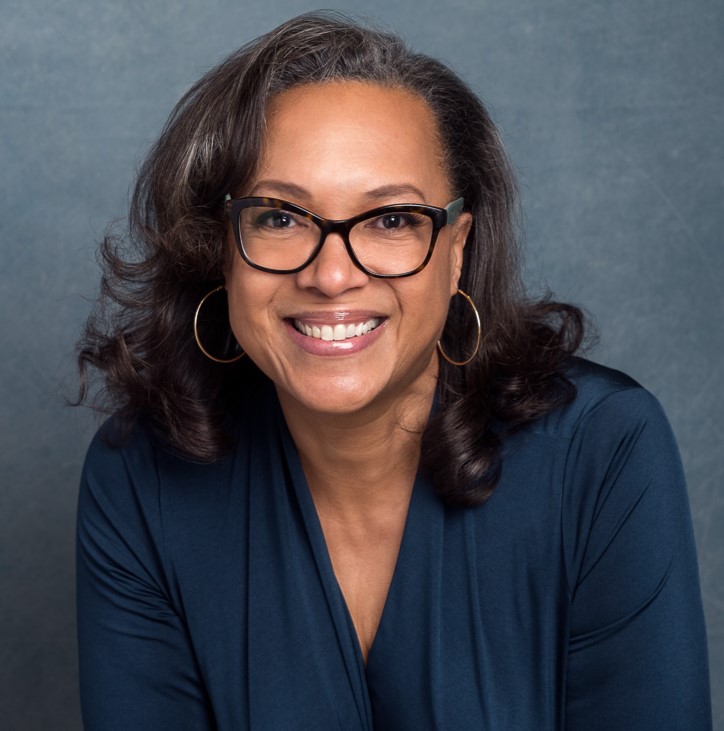
Photography Studio Owner
Mo Lima is a Certified Professional Photographer and the owner of Mo Lima Photography, a boutique portrait studio in Alpharetta, Georgia. After nearly two decades leading digital marketing initiatives for Fortune 100 companies, Mo made a bold pivot—turning a passion for visual storytelling into a business focused on helping others show up with confidence and intention.
With expertise in brand strategy and an artist’s eye for detail, Mo specializes in headshots and personal branding portraits that feel as authentic as they are polished. Her work reflects a belief that beautiful photography is more than a luxury; it’s a powerful tool for connection and credibility.
Today, Mo brings both her marketing mind and creative heart to every session, helping clients—from corporate teams to entrepreneurs—create a visual presence that aligns with their goals and values.


