Ep229 Markus Neukom - From Burnout to Breakthrough: Why Stillness Is Your Competitive Edge





Schedule a Game Plan Intro Call Here
This 15-minute call is a chance for us to connect briefly and see if a full Game Plan Session is the right next step. No prep required — just bring your goals or questions, and we’ll explore whether a deeper dive makes sense.
______________________________
Tired of the hamster wheel?
In this episode, Mike O'Neill sits down with Markus Neukom — a guy who's done it all... sales, HR, headhunting, government work, and now he's guiding high-achievers who've "made it" but still feel like something's missing.
Here's what you'll learn:
• How to recognize when you've become a hamster instead of a human being (yeah, it's a thing)
• Why that nagging voice asking "is this it?" is actually your soul trying to get your attention
• The difference between quiet, stillness, and breakthrough — and how to access all three
• A simple question you can ask yourself TODAY that might change everything
• How imposter syndrome is actually a compliment from life (Markus breaks this down beautifully)
• The "deconstruction process" that helps you understand what's REALLY made you successful... so you can do it again
Markus doesn't show up with another strategy deck or some corporate BS. He creates space for leaders to think differently. And in that space? Real transformation happens.
Mike brings his signature blend of curiosity and practicality to this conversation... pulling out insights that'll hit you right in the chest.
If you've ever felt like you're running faster just to keep up... or wondered if there's more to leadership (and life) than checking boxes... this one's for you.
Buckle up. This conversation goes DEEP.
Markus Neukom 0:00
But people always said, When I meet you, I come when I meet you, the noise is outside, and then people suddenly say things like, I've never looked at it this way. That's when I realized, gosh, that was when their soul actually started speaking to them what stillness is all about. Mike is remembering who you are before the world told you who you had to become,
Mike O'Neill 0:29
welcome to get unstuck in on target, the weekly podcast that offers senior leaders insights and strategies to not only lead with confidence and vision, but also to achieve groundbreaking results. I'm your host, Mike O'Neal I coach top level executives on the power of ethical leadership to forge teams to be as united as they are effective in each episode, join me for insightful conversations with leaders just like you providing practical advice to help you get unstuck and propel you and your company forward. Let's get started.
Mike O'Neill 1:12
Most leaders I work with pride themselves on staying in constant motion, but my guest on this episode, Marcus Newcomb reminds us that some of the biggest breakthroughs don't come from doing more. They come from slowing down. Marcus shares why so many high achievers hit that point of wondering what's next and how stillness can unlock the clarity and the energy that leaders need to move forward with purpose. If you ever felt the pace that you're keeping isn't sustainable, this conversation will give you a new way to think about leadership and about yourself. My guest today is Marcus Newcomb. Mark works with leaders who've already built success, but they find themselves asking, what's next. They check the boxes, achieve the goals, yet they still sense that something's missing. His work helps leaders pause the noise, step back from the constant demands, and rediscover the clarity and energy they need to move forward with purpose. What I really appreciate about Marcus is this. He doesn't show up with another strategy or checklist. He creates space for leaders to think differently, and in that space, real breakthroughs happen. I'm looking forward to this conversation. Welcome, Marcus.
Unknown Speaker 2:37
Thank you
Mike O'Neill 2:37
so much for having me. Mike. Marcus, you have a rich background, and just to set the stage, would you mind just sharing a little bit about, maybe professionally, the kinds of things you've done and how those things might have informed your approach that we'll be talking about today?
Markus Neukom 2:58
Okay, so let me start right at the beginning of my career, it's probably quite unusual, maybe not for the men and maybe even for some women listening to it. My dad was a salesman, and he was kind of my hero. When I was a child. I always looked at him when he returned from his journey, from his travels, and I thought this is what I wanted to become, because I realized that him speaking with people, him helping people, him helping advanced people that actually fulfilled him. So I can actually I chose a career in sales, even if people told me, isn't that really what you want to do? Couldn't you do more? But no, it was sales, because I loved people from the beginning. My mom is a nurse, or was a nurse, so you can imagine the social plus the personal. Was a beautiful landing for that. So I was in sales for quite some time. And what is quite remarkable about my career is there wasn't much planning. But when I look back, I'm 53, years old now, and I look back to the 30 past years, there is a red thread, as we call it in German, something that you know follows through in my entire life, that I was guided. Some people call it a lucky punch. I met the right person at a conference. I was on the right call at the right time. I went to a right convention and met the right people, and they basically extended invites to join their companies and thus advance my career in cocktail conversations. I suddenly learned, you know what, HR could actually be a really interesting succession. So I started out in sales. The entire commerce I got to know I became a buyer, so I saw the. Selling and to buying part, which was really interesting and important for my career. Then I went into HR from HR, that's when I experienced my first burnout, by the way, and that's when I realized HR probably isn't really the right thing, not knowing what I was going to do. I walked into a Headhunter's office, and that Headhunter said, You know what, you have to become a headhunter. And I know the company. He actually wants a woman, but I believe you are the right person. He doesn't know it yet. So he chose me in the end, that was my stepping stone to become a HR manager. So in the end, I was head of HR. As a head of HR, I suddenly received a call to join the government in Switzerland because I had to fire so many people in HR. And I had to fire them because of effectiveness reasons, not because they were bad. And I thought, Do I really want to be a part of that kind of an economy? And, you know, guess what? Then I received an invitation to actually join the government to take care of people who got fired. So I worked with the government for almost a year, until I happened to get to know one person who said, You know what, Marcus, you have never taught, but I can tell you are a born teacher. The next free spot in my company and my organization, you are going to be invited to apply. So once again, I switched to France from, you know, government, which was making sure that they did not get too much compensation, to the place where they actually really had the people who got fired to learn how to deal with that sudden loss of a job, which is huge, as you know, and to see how I was able to help them so far more than just teaching them how to write a resume curriculum vitae or crafting a resume at an application letter or even going for an interview, I actually realized, gosh, I have the chance to work with these people and to influence and impact these people in the deepest level possible. Because, you know, when someone loses the job, many people say, so what? There is a new one. But you know very much what I'm talking about. People lose their identities. Literally lose their identities, and that was the last time when I received a call back into career, into economy. When I was at a convention. Two years later, I received a call and she said, Marcus, I'm looking for a counterpart. Do you know someone in your huge Rolodex? And within a couple of minutes, I actually decided I am the one myself. So I went back into career and stayed there for a while. But then when I realized, gosh, I was helping the highest Echelon in terms of being fired as an out placement officer, I was a senior vice president in the end, when I left, I realized, gosh, we are treated worse than actually, most of my clients were by their companies. And then I realized it's not about what I want, it's about what the company needs. And that's when I realized, I think I have to go solo, and that solo is now 18 years ago when I decided to become an entrepreneur, and I never looked back, because then I decided, wow, now I can really serve the people I want to serve. And I did it as a business consultant and executives coach successfully until last year hits so we can talk about that soon.
Mike O'Neill 9:28
Your background is fascinating. As you shared, I realized there are a lot of parallels between your career path and mine. I was down to the number of years that you were doing, the things that you were doing, I'd like to shift a little bit about this notion. You've worked with companies for companies. You have seen how people look at their careers from different perspectives. I'd like to kind of key in on. Uh, something that I used in your introduction, and that is the power of stillness and how breakthroughs can really take place. As a result, you have worked with accomplished leaders, but they're likely restless. In your opinion, why does so many high achievers feel like that? Success really isn't enough.
Speaker 1 10:31
You know, there is this one other thing in in my curriculum. Is this as good as he gets, or is there more and some people add to my life or to my career? And I never really understood, Mike, what the death of it was, and I actually didn't get it until maybe a week ago. And your question is so timely, because when people need me, they say, look, Marcus, I am at a point where I wonder, is this as good as a gas, or is there more to my life? And looking back at my journey of the last almost 12 months now, since I'm in the US, and as you know, they were quite tumultuous, I actually learned what the more is why no one, Mike, no one can be satisfied with what they have in their career, in the Long term, is because the real more is not outside of you,
Unknown Speaker 11:44
but in you. Yes, and
Markus Neukom 11:46
when you mentioned stillness, you probably can tell, even with us, it feels like we have like a couple of above us, and the noise is outside. It's us that is stillness. So when people hear stillness, they feel like, is it yoga? When I do yoga? Is it when I meditate? Then No, I do both. But it's not stillness. Is anything else than absence of faction? It has to do with the coherence between our spots and our hearts. And when that coherence takes place, that's when the pathway, the portal to our soul, opens up. And quite often, Mike, for the first time, when people get to speak with me. So I realized that throughout my career, whenever I spoke with people, illness was always present without me knowing what it was. But people always said, When I meet you, I come when I meet you, the noise is outside. The anxiety I just had about the books or about the quota I have to reach it's just gone. Gone for a moment, and then people suddenly say things like, I've never looked at it this way, and I need to smirk because I haven't said anything. And that's when I realized, gosh, that was when their soul actually started speaking to them, maybe for the first time in their life they have been quiet, and the quiet opens the stillness, and the stillness opens the voice to their soul. So when someone hears, you know, a viewers, listeners, when they hear that voice, is this? It Christine, Mort to my life, that's not their brain, that's not their mind, soul speaking,
Mike O'Neill 13:57
because you've worked in such a wide variety of professional roles, because you have worked with people who fit that definition. How do you recommend folks to try to harness this in practical terms? I may not have totally followed what you said, but what I understood it started with quiet, then it moves to stillness. And it's in that stillness that awareness can take place. And I described it earlier as breakthroughs. How do you encourage people in practical ways to seek that? What is it you would recommend? How we go about do that.
Markus Neukom 14:41
You know what's interesting? I get asked this question quite often, and people might be surprised about the simplicity of the answer. It actually begins with a conscious decision, which is calm for a moment. Let's be honest, most executives and leaders find themselves in a daily grind a hamster wheel. And I thought that it's human beings in a hamster wheel. But then I had a call with an executive previously a couple of weeks ago, and she said today, Marcus, let me actually correct your image a little bit. Managers and leaders in the US actually turn into hamsters, losing the humanness, forgetting that there will be human beings. They become human achievers, human seekers, human whatever, doers, whatever. But the being is far away, so this is the first step to understand you are more than a hamster in a hamster wheel. Then just to come and then just to let that question, is this as good as it gets, or is there more? Use this as a meditation, close your eyes and basically just ask yourself, Is this as good as it gets, or is there more then you probably can tell if something happened already, and then just give you sign of the answer, yes, there is more. And I want to find out what it is.
Unknown Speaker 16:28
This is pretty much it, and it's deep.
Mike O'Neill 16:37
You know, for those who are listening or watching this, they might be kind of rolling their eyes a little bit because they're maybe saying this, this is touchy feely, and like I got a business to run. Would you build if I can use this expression, how could you build almost a business case why this is good business for leaders to stop and give consideration to the power of stillness,
Markus Neukom 17:05
that input requires something, but which everyone knows if they continue on the passive right now, sooner or later, it leads into burnout, because that's be honest. Mike and everyone who listens, the pace we in United States have right now is not sustainable for a human being. It might be sustainable for a rat or for a hamster in a hamster wheel, but I personally have experienced way too many executives going into burnout and help them through the burnout and out of burnout that I literally can say, the question is not if the question is when it hits you. So if that is not enough of a business case,
Mike O'Neill 17:54
it is, and that's at a very personal level, this is saying, if you, if you don't do this, you will experience this. Can I go back to something you said that a AHA that I had is I was visually envisioning a hamster wheel, and what I really realize is that more often a hamster in a hamster wheel is in a cage, and there are people watching them in that cage. And I'm realizing when you're in a key leadership role, you are in the wheel spinning as fast you can, and people are watching. And because people are watching, because people are depending on you. The temptation is, well, I'll just run faster, because that's what they expect of me. And so I guess maybe that add a new dimension to what you just described here, and that is the added fruit when you're in leadership. So let me just continue this. And from a practical standpoint, if what we know best as leaders is activity results, activity results, and we realize that we can't sustain it. You've already kind of said it starts with the quiet. But that is a learned behavior, if you will. It's something that requires tuning out distractions and the like, for a person who's interested in trying what were disguised, disguised right now, what might be some things that they would benefit from that would you would say that would encourage you may not get it the first try. And how do you encourage the people you work with to stick with it?
Markus Neukom 19:48
You see what's interesting. It doesn't have to stick. It starts with the intent. And if someone would ask. Me spontaneously right now. What I would say is, you know what? Just go outside for a moment, or go somewhere where you have quiet and honestly ask yourself, does it work what I'm doing right now? Because if you hear that voice, is this as good as it gets, or more? It's a sign, no, it does not work. So that's the first admittance to yourself. No, it does not work. So there must be more. And then, literally, you don't have to apply it. You don't have to close your eyes. All you basically need to do is to say, You know what? For a brief moment, I dare to believe there is more That's enough, and then repeat that, and then you can repeat that again, and literally make it almost like an attitude, make it a kind of a mantra that this literally cannot be it, but I'm living right now, so there must be more. And for a brief moment, I believe there is more, even for me, and that will automatically have have an impact.
Mike O'Neill 21:19
Marcus, we've barely scratched the surface of your background, and I love this notion of the red thread that you introduced us to. Can you reflect back following your red thread when you found yourself stuck, and what? What did it take what did you do to kind of get things moving forward again?
Markus Neukom 21:46
I share with you the moment when everything began to change. Because, you know, as every other human I've been stuck endless of times in my career, in life, but never at that point when I realized I was on a call with a client, and I said to her, You know what? I believe I just got out of a burnout. And she said, Why do you there's a Marcus. You were no joy for the last year to work with. Said, Okay, I understand that, because, you know, I went into depression. That's what burnout usually is. It was during burn, during covid. So basically, everyone around me went into depression like and I had a couple of friends. They kept each other quite up for a while, but then I assumed that the impact from outside just went in too much. And it actually got to that point. Back in Switzerland, I had a big two seater of swing chair, that's where I worked. And it came to the point that I asked chat GPT, and I had no one else to talk to at that moment. Being depressed as I am, do I still have a right to do what I'm doing, being the voice of reason for people, right? The guide being the light. And the answer was very clear, absolutely. So I asked, okay, so if I continue speaking and writing, what should I write about? And I received 10, you know, as chat GPT usually does I receive 10 possibilities, and number seven hits me like a flashlight of heaven, imposter syndrome. And that's when I understood, gosh, that is why I almost gave up, because I suddenly felt the first time in my life like an imposter. Yes, and to be honest, I was good reason, because being as depressed as I was, I literally wondered whether I still have what it takes to guide people through very challenging situations, and beautifully. Mike, the universe said to me, Marcus, this is actually your threshold. This is your breakthrough to become the guide those people really need, because they don't need more not more strategies, not more methodologies, not more concepts. They need them more. But think about that that was loud three years ago when I embarked on that journey, and that's when the universe showed me that. In the end, when you actually suffer from imposter syndrome, it is actually a compliment from life, saying, You know what, Mike, you are embarking on a journey that is worth the while. So I saw it like this. So here you have a membrane. Here's space and here is, you know, the atmosphere, right? And I realized that they have our little spaceship, and they go up and up and up, and then they come close to the sun, and then we shrink and go down again to base, come up again, and do this over and over. And suddenly we reach an altitude and we say, oh, that's as good as it gets, because guess what? Here's your comfort zone. But then the universe said to me, Marcus, you have experienced this situation over and over and over and over in your life. However, you always trusted that the little spaceship in connection with whatever guides you is solid enough that it actually can lead you through this membrane into space, and literally everything was possible you were willing to believe in and to pay the price. And that's when I understood, gosh, imposter syndrome is not the problem, like I sometimes say on podcasts, and I repeat this now, if you actually believe in imposter syndrome, you're screwed. You're screwed. You have lost because imposter syndrome. Think about that. Imposter Syndrome basically means you do not believe in spite of having all the evidence that you can do and be what's required. And that, by the way, is not Marcus new command. So that is Merriam Webster. So I repeat that, despite of knowing you have what it takes, you still doubt yourself. And then I thought, gosh, like I've been working with hundreds of people throughout my almost 30 years of career, and I realized there's another red thread throughout all these lives. It's the one I do not trust myself. But then it hits me out of the blue mic and I understood, why would we trust someone or something we do not know. Yes, we would not. Literally, we would not. And then, when somebody asked me recently, what is the first step to actually heal that wound, or what is the first step to Betterment or to success, whatever you want to use here, it's actually acknowledging I'm 53 years old now, to acknowledge that despite of my 53 years old, I have no part in my French Bloody clue who I am, what brought me here and what will get me anywhere? So that is the first step for someone to understand. And as you know very well, the higher up in the Echelon you get, the more prevalent imposter syndrome becomes, because they have no feedback anymore,
Mike O'Neill 28:18
correct, right?
Markus Neukom 28:19
So all. And this is a, this is a nugget which I just want to put out there. If you ever suffer from imposter syndrome, see it as a symptom, as a symptom which can be really very nicely, quickly remedied. Look at one or two of your previous successes and then dissect them. Do a deconstruction process. You know those Deconstructor who have a menu and then deconstruct it and then put it together. Slippery, yes, this is what I'm doing on a daily basis with my clients, and that's what you do as well. We basically show them your success as ingredients. And once you understand those ingredients innately, you can start putting those ingredients together in new concoctions. So once we begin to understand who we are, what brought us where we are, we can actually take control of our lives totally differently. And this is no rare Google, right? This is what every CEO, every manager, needs to hear. The problem is you do not know yourself at the level. You believe you do. You might make yourself believe you do, but you do not. And once you change that, and this can happen with some peers. Ask him some questions. One of them would be, what makes you, what makes me special for you, that since one question, what makes me special for you, or what are special characteristics and language to say? The answer. And then you think about it, hunger on, and then suddenly something will actually happen, which is so interesting, like there comes this wee little voice telling you,
Unknown Speaker 30:16
Marcus, do
Markus Neukom 30:17
you really believe what this guy said about you. Don't you understand what's going on? Mike is interested in you sharing positive about him. So of course, he gives you a positive feedback on your question. And then this is beautiful little key, go back to that person ask one question, can you please give me an example of a situation where you have experienced these characteristics in real life? Yes. And guess what? Your sensor lies? That's what it takes an imposter syndrome. I can tell you, a mentor of mine once told me imposter syndrome is the biggest pillar of careers, marriages, friendships, relationship with yourself, ambition, because it literally keeps you at an arm length, and it's as good as it gets. And that's where the saying comes from. Most people die within music still playing in them. This is one of the pieces Mike, which I am changing with my daily work, getting that music to play instead of waiting for those people to die and taking that music with them into the goals that's
Mike O'Neill 31:47
so beautifully said, for folks who are regular listeners to this podcast, they probably have picked up, I took a little different tactic with you, because I really wanted to kind of experience a little bit of What you're talking about. As we wrap up here. Marcus, I guess I would ask you, for those who have been paying attention, kind of leaning into this conversation, what might be one small shift that the listeners can make this week to take advantage of what you're really encouraging us to do, to pause the noise and to work towards regaining clarity. I
Markus Neukom 32:32
mean, if the most important one is not to try to quiet that voice when it comes up and says like, is this really it, or is it more to your life? At least, that's the first one, and the only one. I recommend not to quiet that little voice, just to sit with it for a moment, because you know what stillness is all about. Mike is remembering who you are before the world told you who you had to become. That is stillness.
Mike O'Neill 33:17
Beautifully said, you know, Marcus, I want to thank you for this conversation and for reminding us that sometimes the most powerful move that a leader can make is to slow down and let clarity catch up to listen to that voice. What is the best way for people to connect with you or learn more about your work?
Markus Neukom 33:40
So the best way at the moment is reach out to me on LinkedIn. Marcus Newcomb, I'm sure you will share the link to it and just send a connection request, then send a message, and if it fits you, let's get on a call and get to know each other.
Mike O'Neill 33:58
It's on LinkedIn that you and I connected originally, so we've had at least two conversations prior to us recording this podcast. So for those who have just listened to you, share a little bit about who you are, a bit about your red thread journey and where you are now and where you see yourself going, helping others get there too. As I kind of wrap up this episode, if today's episode sparks something for you, maybe how you're leading, maybe the pace that you're keeping, or the clarity that you're missing, I'd love to help you think it through as well. We know that Marcus is available. If there's something that I could be of help, I offer complimentary game plan sessions. These are by invitation only, and these are focused two hour coaching conversations where we tackle one leadership challenge that really matters to you. There's going to be no pressure, just clarity and a practical next session. Step. So if you or someone you know could benefit from a game plan session, you'll find the link in the show notes. Marcus, thank you for being with me. Thank you the listeners, for listening, and I hope this episode has helped you get unstuck and on target. Thank you for joining us for this episode of get unstuck and on target. I hope you've gained insights to help you lead with confidence and drive your organization forward. Remember, at bench builders, we're committed to your success, your leadership excellence and your strategic growth. If you've enjoyed our conversation today, please leave a review rate and subscribe to keep up with our latest episodes. This show really grows when listeners like you share it with others. Who do you know, who needs to hear what we talked about today? Until next time, I encourage you to stay focused on the target and continue to break new ground on your leadership path. You This
Speaker 2 36:11
show is powered by media leads to get your next great podcast produced. Go to media leads, co.com
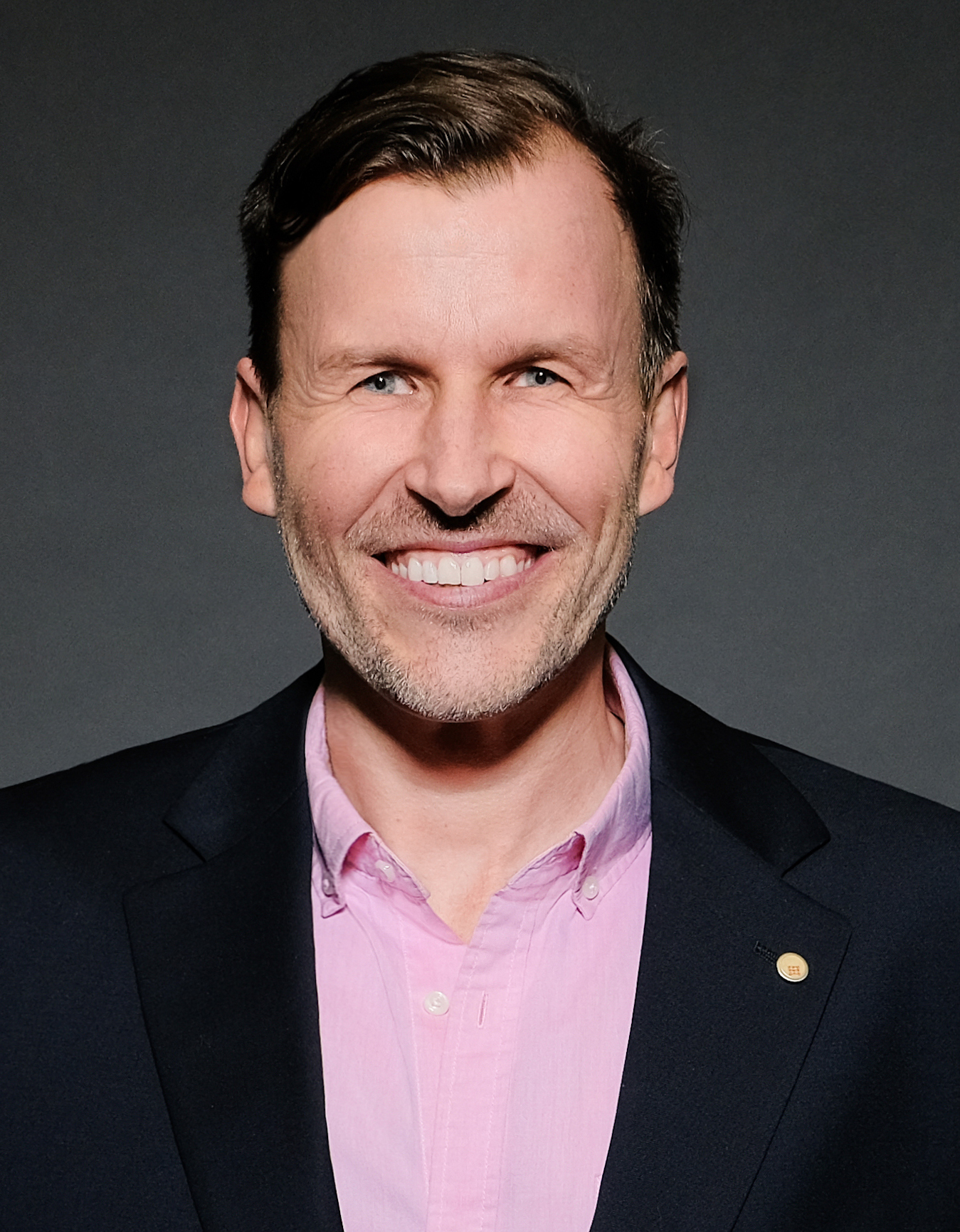
Markus Neukom is a keynote speaker, presence-based advisor, and founder of the Institute of CFLI—Catalyst for Legacy & Influence. He works with high-level leaders and founders who’ve succeeded outwardly but are quietly asking, “Is this all?” Through Stillness Councils and Soul Intelligence integration, Markus helps them move from striving to embodiment—unlocking the breakthroughs that only arrive when we stop trying to force them. He is known for his calm clarity, deep resonance, and ability to guide others into the kind of transformation that doesn’t just change outcomes—it changes the way they live.





