Ep230 Jane Gentry - How to Scale Without Breaking: Growing Your Business the Right Way


Schedule a Game Plan Intro Call Here
This 15-minute call is a chance for us to connect briefly and see if a full Game Plan Session is the right next step. No prep required — just bring your goals or questions, and we’ll explore whether a deeper dive makes sense.
______________________________
Scaling fast? That's awesome.
But if your team's burning out, decisions are lagging, and you're not sure if the chaos is even worth it anymore... that's a problem.
In this episode, Mike O'Neill sits down with Jane Gentry — a growth architect with 25+ years helping CEOs turn growing pains into structured momentum.
Here's what you'll learn:
• Why revenue growth without infrastructure leads to a total mess (and how to fix it before it breaks you)
• How to operationalize culture so it doesn't get diluted as you scale
• The #1 communication mistake leaders make during change... and how to avoid it
• Why your CEO voice matters less than you think (and who your people actually listen to)
• The simple mirror test every leader should take this week to stop being the bottleneck
Mike brings his coaching lens to the conversation — digging into leadership, people systems, and what it really takes to grow without losing your best talent or your sanity.
Whether you're leading through hypergrowth or just trying to keep up with demand, this episode gives you the clarity and practical next steps to move forward with confidence.
Hit play. Take notes. And let's build something that lasts.
Jane Gentry 0:00
A lot of questioning whether the growth is even worth it. It's really just a question of, how do we grow the business without breaking it? It's just something that I think leaders don't focus on. They focus on growth. Growth is fun. I'm a big fan of growth. I mean, that's a big part of what we do in our business is help clients with growth. Growth without infrastructure just leads to a big mess.
Mike O'Neill 0:23
Welcome to get unstuck and on target, the weekly podcast that offers senior leaders insights and strategies to not only lead with confidence and vision, but also to achieve groundbreaking results. I'm your host. Mike O'Neal I coach top level executives on the power of ethical leadership to forge teams to be as united as they are effective in each episode, join me for insightful conversations with leaders just like you, providing practical advice to help you get unstuck and propel you and your company forward. Let's get started. When your business is growing, that's a good problem to have, but growth without the right systems and leadership in place, that's when things break. Today, I sat down with Jane Gentry, a growth architect who's been guiding CEOs through the challenge of scaling for more than 25 years, we talk about what really causes growing pains, why culture gets diluted as companies expand, and the one question every CEO should ask if they want growth to fuel momentum, instead of burnout. As an executive coach, I work every day with leaders who are facing these same pressures. So if you're leading through growth, this episode will give you practical strategies that you can use right away, and a reminder that you don't have to figure it out alone. My guest today is Jane Gentry. Jane works with mid market CEOs who are growing fast, but they're feeling the strain that comes with it. With more than 25 years of experience leading and advising companies, she's built a reputation for helping leaders simplify complexity, protect profits and build stronger leadership teams. As a leader, you may ask, why i i need to kind of lean into this? Well, if, from my standpoint, when growth out paces your systems the business, it can start to strain decisions, drag margins shrink, and your best people get stretched too thin. Jane's optimal value blueprint gives CEOs a clear framework to fix what's breaking so that growth fuels momentum instead of burnout. Welcome Jane,
Jane Gentry 2:46
thank you. Thank you for that nice intro.
Mike O'Neill 2:48
Mike. Jane, you and I have had a chance over the last few months in particular to get to know each other. I've learned about the kinds of companies that you work with, and as we were discussing you coming on this podcast, I wanted to kind of focus on your perspective of leading through growing pains. You know when, when business is growing? Most people think that's good, but it does good. Yeah, it is good, but it creates a whole new set of potential issues. You know, you get the call when the revenue's up, but I suspect you get the call when revenue is up, but the execution is dragging.
Jane Gentry 3:35
That's usually when, when we get the call, yeah, the revenue is up, but the infrastructure has not kept pace with the revenue. And infrastructure can mean anything from your organizational design, your processes and systems that you have in place, the way you make decisions in your organization, and which is kind of your your bailiwick leadership, you know leadership hasn't grown the way we lead. Who is leading the way we think about leadership in our organization that has often not kept pace with the revenue.
Mike O'Neill 4:21
Is there a pattern you see most often with with leaders specifically, more specific, when they bring you in business, is good revenues up, boy, but we're not keeping up with the infrastructure.
Jane Gentry 4:37
Yeah, a lot of confusion, a lot of questioning whether the growth is even worth it. Sometimes a leader will say, I don't even know if this is even worth the worth it. And it's really just a question of, how do we grow the business without breaking it? Yeah, how do we scale without breaking it? Mm, hmm. And it's just something that I think leaders don't focus on. They focus on growth. Growth is fun. I'm a big fan of growth. I mean, that's a big part of what we do in our business is help clients with growth, but growth without infrastructure just leads to a big mess.
Mike O'Neill 5:23
You know, I hear the word infrastructure, and I imagine business founders, they might kind of go, oh gosh, infrastructure. It means everything. When you step back and say, we need to look at this, this, this and this. How do you find yourself kind of explaining in in Jane Gentry terms, what is it that you're going to encourage them to do so it doesn't feel yet overwhelming, like they're already feeling right?
Jane Gentry 5:50
Well, the key is to not blow up the culture and blow up the the the talent inside the culture, right? So having a pace that works for that particular company and that particular culture is really important. You know, we have a client right now. Their business is very seasonal. We're about to take a break because they're they're about to get completely slammed, right? And so you can't have your your team focused on too many things all at once, and we sure don't want them experiencing overwhelming change to the point where you frustrate them, or you lose your top talent, or you reduce engagement in your organization. And so for me, that's why transition management is such a huge part of what we do. I don't know that you and I talked about this, but I tell leaders, most leaders aren't terrible at change. In other words, what are the steps of change? What are the milestones of change? What are we going to look like at the end of it, they're pretty good at articulating that. The majority of leaders fail to realize how to move people through change, and that's why a lot of set, over 70% of change initiatives across organizations, small to enterprise, fail so so that's something that that I have a really high sensitivity to, how do we bring the people along with the change? Because it's the people that are going to affect the change in the organization. So without them, it doesn't matter how brilliant our strategy is, it will just be a big be a big fail right
Mike O'Neill 7:41
now you describe the critical role of culture and people in adapting to what needs to be done. You mentioned you have a client that things are about to take off so they have a limited capacity of what they can kind of focus on. Can we go back to this culture? When you use the term culture, it's a term batted around quite a bit. Yeah, you define culture.
Jane Gentry 8:11
Culture is your secret sauce. Culture is the is the thing in the organization that is your real differentiator, and as you grow, it can get diluted, yes, and so it's about agreed upon values. I remember sociology class in college, they called it values and norms. What do we accept inside our organization in terms of behavior? What are the things that we value? What are the attributes that we strive for? That's culture and as you grow, unfortunately, that can get diluted, unless you find a way to operationalize culture inside your organization. And people are surprised when I use that word with culture, because they think culture is this amorphous thing that just happens inside your your company, and it really isn't. I mean, there are absolutely ways to operationalize culture, starting with how you hire an onboard people, right? And so, you know, without getting too far into the weeds on a 30 minute podcast, there are ways to operationalize culture so that as you grow, you are protecting your secret sauce. Yes, you are protecting that thing that works so well when you were at $10 million but seems to not be working at 60 million or 80 million. Yes.
Mike O'Neill 9:54
Now you mentioned we don't have a lot of time to dig deep, but I guess I would love to kind of dig a little bit deeper. Here on this and that is, you mentioned one example, being very purposeful in your selection and onboarding process that's operationalizing culture. I've experienced that the folks who have been around the longest hang on to that culture, and sometimes are very protective of that culture and that the change that will be necessary for sustained growth is even harder for them. How do you operationalize culture that takes into consideration those folks who have been with the organization the longest?
Jane Gentry 10:38
Yeah, so that's an interesting question. I like to use them as evangelists, right? I like to use them to help articulate what the culture is, and I hone very intently in on those people in my transition management strategy, because you want them to be an evangelist. You don't want them to be a roadblock. Yes, and you don't want them to hold so desperately onto their perception of the culture the old way that they're incapable of adjusting as the company needs to adjust. Does that make sense?
Mike O'Neill 11:22
Makes perfect sense. I'm nodding for those who are not watching. I'm nodding because we very much are in sync there. I like the way that you describe that you take those folks who might be most resistant to the necessary change and make them you called them evangelists, but there's intentionality in what you are describing. I'm obviously keying in on the people side. That's my natural bias. It's more than that. I know it's more than that, but when you step back and you come in and the founder, the CEO, looks at you and kind of looks in the eye and says, Jane, I just don't know if growth is worth it. Yeah, you hear that pretty often.
Jane Gentry 12:09
I hear it sometimes. And I'll tell you this, Mike, the CEO, is really the last person who can drive culture in the company. And they, a lot of times, think that they are the person driving culture in the company. When we talk about operationalizing culture, I like to kind of break down activities of ways to communicate based on your role, your seniority in the company, because the person that people believe the most is actually not the CEO, even if it's a founder, and they're Beloved, you know, by the organization, it's my direct manager that I believe the most, right? And so that's why enrolling all of those people early on into what we're trying to accomplish inside the organization, literally walking through the leaders and managers, through the initiatives first, allowing them to go through this process that we call transition. And it actually it's not as complex as the grief process. The model going through it is not simple, but the model is not complex, but allowing managers to go through it first leaders to experience that first, before we roll something out into an organization is really important.
Mike O'Neill 13:39
So you start with the leadership team as a whole, but then you're kind of saying in so many words, you alone, particularly you the CEO alone, are not gonna be able to drive that. You're gonna have to use your organization, the people in this room and below for this to work, to do that. You're building also new kind of infrastructure. Are you not new ways of communicating, new ways of tracking if you're going to be pushing that down?
Jane Gentry 14:07
Yes, and and change, in one sense, is very much a communication initiative, and it's the number one place I see people fail, is we just do it. We have no messaging around it. We have no agreement around what it is or what it's going to look like. We're not enrolling our managers at different levels to understand the message. We assume that people go through change as a cohort. People go through change very individually. And you know, I say to leaders, look, you're going to have to deliver the same message over and over and over and over in 50 million using different vehicles. You're, you're, I said, you know, at the point where you just want to put a gun in your mouth if you have to. Say the same thing one more time, you have still probably not said it enough. So that's one thing. The second thing is people. People are not really struggling with change. People are struggling with loss. Loss is a very individually experienced say activity, because I can't think of a better word, um. And oftentimes, as a leader, the things that you find that people are struggling with, sometimes you just think they're dumb, seriously, I mean, you just go, that's the thing you're worried about, you know? And it can be very frustrating for leaders, and so that's why I say it's important to arm them with an understanding not just about what we're doing, what we're trying to do, where we're trying to go in the organization, but what is this process that people are about to go through? What is it that they're going to experience? How do you show up as a leader in a way where you can either effectively Sherpa them through this change, and there's a lot of change potentially in growing pains, right? So how do you show up to Sherpa them, or to figure out this person's just not going to make it, and that needs to be okay too, yes,
Mike O'Neill 16:21
and that's not, that's part of the process, is it not? And that is, as you're identifying who your Sherpas are, there are folks who that's just not them. They just don't have the either capacity or the wellness.
Jane Gentry 16:32
Well, so well, all leaders need to be prepared to do that in the organization. But as I said, there are also evangelists within the organization to help that right? I'm always going to believe my peer or my direct report over a senior leader. Yes, pretty much, almost always. Now, when you get in, you know, the kinds of companies that we work in that are in the mid market, it's not quite as dramatic as, say, Coca Cola or Home Depot, right? But it's still there. It still exists.
Mike O'Neill 17:08
You know, when you made the observation, I'm gonna paraphrase it. It's not so much that the strategy is flawed, but how that strategy is communicated is what I kind of heard you said, and that they need to be very intentional. You're communicating strategy over and over and over again to the point where they might feel it enough is enough. But then you said you need to do it that much more.
Jane Gentry 17:41
Yeah, and you're communicating strategy, Mike, but you're also communicating why? Yep, are we doing this? Why are we not doing other things that we could have done instead of this? Right? What is a picture of what that's going to look like at the end, when we when we hit Nirvana, right? Or whatever the end looks like. What is our plan? What are the steps that we're going to use to get there? And the most important to your employees is, what's my part? Yes, right? So I tell leaders, this is this is how you create engagement in your organization. People want to know what is the plan. They want to know, what is my part in getting us there? And they want some autonomy in what they do, in their role. To get you there, that's employee engagement in a nutshell, right? And too often as leaders we are, we have a plan we've got, you know, we've either come up with on our own, or we've got somebody like Jane that we're working with, and we just start to execute the plan and leave everybody kind of in the dark about what is the plan? Where are we going? I like to walk through my clients facilities, and ask employees at random inside the organization, what's the strategy of the business for the next year? That that is a great indication about the level of competency that leaders have had at communicating that into the organization. If they can't describe where we're going and how they're going to participate in that, you know what their part is, what their role is in that, then we've missed a step. And. As leaders, an important step. I'd say,
Mike O'Neill 20:04
I may not say this the way I intend to say it, but let me describe it. An organization that is fortunate to be experiencing growth, is experiencing growing pains, but you describe helping the leadership team convey this is where we're headed. It's kind of a destination point. This is what will look like. This is what your role would look like when an organization is growing fast. Do you just kind of pick a point in time that, in 12 months time, we want to look like this, be like this. How do you convey that?
Jane Gentry 20:46
You know, I was doing a podcast with a friend of ours recently, and they do like this. 10 year target, man, I don't even bother. Yeah, it's too long. I just don't even bother. I don't look more than 18 months out. Because the world moves so quickly. The market moves so quickly. I mean, for us, when we get into an organization, what I say to a leader is, one of my goals is to help you, Mr. Ms CEO, to think differently if you are thinking the same as a leader at 50 million that you thought at 20 million. And when I say that, I'm thinking about how you think about strategy, how you think about determining what's going to happen in the organization, if you think differently, you will plan differently and you will execute differently. That's the key, right? And so for me, it's about helping leaders think about strategy in a way that gives them the flexibility that they need for the how fast things are moving. So if you look at it this way, Mike, what I see a lot of times in small companies, and I don't work in super small companies, but, you know, startups, they build their strategy. They around a budget. Yeah, as you grow, you tend to build your strategy around objectives. And that's where I see a lot of companies get stalled out. Leaders get stalled out. Where we'd like to see them get to is building their strategy around assumptions and and creating kind of one of my partners calls it a thermometer for figuring out where we are every 90 days or every quarter around those assumptions. And what do we do if we in discover that one of those assumptions is incorrect? When I say assumptions about our capabilities, about our market, about the marketplace in the world as a whole, what are tariffs going to do to our business? What is our competitor doing right now. What are the assumptions we're making as we figure out what we're going to do in our business, and what are the checkpoints we have to figure out that we were on target with those assumptions, or we were not? And here's how we're going to adjust. That's a sophisticated way of looking at strategy, and that's where we try to get leaders in the organizations that we're working with. When you strategize that way, you plan completely differently inside your organization for what's going to happen. But still, to your point, 18 months, two years about the furthest that i i even bother to now, do you want to have like a bee hag, you know your big, hairy, audacious goal for 10 years out, sure, but I'm not spending a whole lot of time building out strategy Any further out than 18 months.
Mike O'Neill 24:01
You describing this as looking at and challenging assumptions, almost on an ongoing basis? That's very refreshing. You've been doing this for a while. You lend your expertise and your experience and your role as a mentor to the Harvard MBA program. Yeah, tell us a little more about that. These students, if I could use that term that you're working with, are they in a career going back and get an MBA? Are these folks who?
Jane Gentry 24:37
It is the MBA program. It is Harvard's MBA program. It's a course. The place where I mentor and coach with them is in is in a course they have called entrepreneurial sales. So the people that take this class are in Harvard's MBA program. They typically know. At some point in their career they want to buy a business or own a business, and they have the savvy or the wherewithal to realize that while they might never be the sales person for their organization, that is a really critical function for their organization, and they want to understand what does it look like. And so Mark Roberge, who leads this class, who's kind of the guy that put HubSpot on the map, super I think he's a brilliant man, put this class together, and it's very experiential, which is the other thing I think is brilliant about it. So they'll learn in class an aspect of sales, let's say sales process. They have a partner that they work through through the semester, and they and their partner go on to an app, to a platform called Gong, and they either record a role play or they whatever, whatever it is that they're working on in that particular week. And then I go and watch that activity after they're done, and I take notes and I give them a grade. And then we meet and I coach them through that activity. Why? Why did you take this approach? What were you thinking when you did this? Here's maybe another way to think about that. And although I don't, I used to do a lot of working with sales people in in my job. I don't do that quite as much anymore, but I do this because I love under let's face it, I'm in a different generation than these people, and I want to understand how they think they're the leaders of the future. I want to understand what they're struggling with. I want to see where we're different. And these are the up and coming leaders for my clients as well. This is the age group of up and coming leaders for my client organizations. So so that's why I do that.
Mike O'Neill 27:21
Well as admirable is that is, I know that you get things out of that that you can share with clients. What might be some things that you've experienced mentoring Harvard MBA students? How has that made you better at what you do for your clients?
Jane Gentry 27:41
I Yeah, well, you know, this has been something of mine since Millennials were the people everybody considered problem children. You know, millennials are, I think, in their 40s now, right? So we can't keep using millennials. It's validated for me some things that I guess I already knew, because this the data is there to support the fact that there are some gaps coming out of not Harvard specifically, but all graduate programs around critical thinking, situational awareness, soft skills, relationship building. You know, I'll tell you, one of the things these these young people have to do in this program is cold call and and I remember saying to a student, so where did you struggle with that? He said, I think it's so rude to call somebody on the phone. Really tell me more about that. How would you how would you communicate with them? Well, I would text them, yeah. And I said, Well, let me tell you something that might blow your mind. I hate getting texts from people. I especially hate getting texts with an action item from people, because once I've read it, it's gone, yeah, if it's in my inbox, for example, it's still in my inbox until I take action against it, right? And and they couldn't believe that I didn't like getting texts. I said, I hate I hate text. Text is a relationship killer as far as I'm concerned. And email gets used incorrectly as well, you know. So we got into this conversation and I said, So what do you think the key learning is here? And this was a bright student. They're not all that way. But he said, understand your audience. I said, Yeah, I think that is, that is the lesson, right? How does the person that you're dealing with prefer to be communicated with? I. Um, and just generationally, we have different ways that we, you know, to make a sweeping statement, which obviously isn't true of every single person. But generationally, we have different ways we prefer to be communicated with. And then inside a generation, I would assume there are, you know, people have different preferences, and so it just goes back to knowing your audience, really, but those, but those are the kinds of of things, right? You know, every once in a while, a female student will ask me a question about, you know, the way they're being taught to do something. Don't you think that's kind of harsh for a woman to do that? Or, you know, they'll have questions like that. But I think for me, it's validated that a lot of times, leaders in mid market organizations will tell me they don't have the time or the money to do training and development inside their organization, and I argue you don't have time to not do it, but these are some of the scenarios that I give them for why it's so important. You might hire somebody out of an MBA program, but there's some pretty critical things that they're probably still missing that are valuable to their to your organization, and that are critical to their success in your organization. You know, on my podcast, I just had a leader, you know, I interview CEOs of mid market organizations, and this guy comes from the military, and I find that most military, most leaders with a military background, are committed to development more so than the average bear. Yes, why? Because the military is is CO is at the same time developing you for the job you're in and developing you for the job you're about to get right. And so he sends them off to, you know, some class at Wharton, or some class at Harvard, or some you know, online program to make them better. I think all mid market leaders need to have a commitment like that somehow. I'm not saying send them to an Ivy League program, but there are things you can do, and there are things you should do to develop, to develop people inside your organization do it or lose them. It's really that simple.
Mike O'Neill 32:42
I am obviously smiling. Of course, that's something that we also do. Yes, I do coach, but we're known primarily for our leadership development. You know, one thing I remember from graduate school was, training really is preparing them for their current job. Development is preparing them for the next.
Jane Gentry 33:01
And I look at that a little bit differently. Mike, so between the two of us, we probably have a really good definition of that. For me, training is understanding the concept. So you can put people through 8 million training classes, it will not change their behavior without development. Development is the coaching, the stretch assignments, the exposure to other types of functions in your organization that change behavior. The way I look at it is, you know, I play golf. I can watch YouTube videos about golf. I can read about golf. I can watch golfers that's training, that's intellectually understanding the way I'm supposed to strike the ball. An hour with a pro will do more to change my game every time than a dozen hours of those other things because, because there's that gap between understanding it intellectually and being able to do it where development plays a role. And even a mid market organization can take a high potential person in their organization and match them, give them an important initiative in the organization and pair them with a leader who can track them and mentor them. Every mid market organization can do that. You just need to spend the time and the energy and the thoughtfulness on what is that initiative, who is the right leader to put them with? How do we structure this in a way that is going to create the right kind of learning for them. How do we protect them as much from failure as we can, while enabling them to to fail right inside of that process? So. So I push back on pretty much every single leader that tells me that they don't have the time or the budget for that you might not have the budget for a big training program. I'd argue that a big training program isn't really the thing that's going to move the needle the most anyway. So I'm kind of okay with that, you know, but there are multiple opportunities to develop people inside your organization, even at a mid size level.
Mike O'Neill 35:33
Jane, we've had a series of conversations slash meetings slash coffees slash lunches over the last few months, and one thing I've always enjoyed in in our conversations is you do offer perspectives that I might not think of. Ditto more often, though, the kinds of things you're suggesting are the kinds of things that really resonate with me. What I love is your practicality for leaders. Listening to this episode today. Let's say these leaders are experiencing the strain of growth, what might be one practical step that they can take this week that would help them create greater clarity.
Jane Gentry 36:15
Yeah, we don't, yeah, we don't work in the theoretical because that doesn't really create a lot of movement for our clients. We have to, we have to get practical. One of the things I think that you can do is have a very serious look in the mirror and ask yourself, Where am I the bottleneck in the organization. You know, one of the reasons we look at things like org design is org design facilitates decision making and accountability. Where do those things happen in your organization? And we want decisions to get pushed as low, as far down the organization as possible, where we'll still experience success, right? We find that a lot of leaders, especially if you're a founder, leader in an organization, have a really hard time letting go, I'll tell you. Mike, I had a conversation a few weeks ago with a man who's hugely successful. He founded a company. It's now at $500 million he said, I don't know if I'm the guy to lead us into the future. I said, Well, that's a that's a thoughtful and powerful question. Let me ask you a question, how much in the weeds are you on a daily basis? He said, pretty far. And he gave me three examples of things he was solving in that moment. And I said to him, okay, so I would argue then that you're not in a position right now to ask yourself if you're the guy for the future, because actually, you're not doing the CEO job today. You're doing the CEO job and three other people's jobs. And so in order for you to be at a place where it's even fair to ask yourself that question, we have to figure out how to get you to let go of these other things. Is, is the is there not enough structure that makes you comfortable to let go of it? Do you feel like you don't have the right talent to be able to let go of it? Is it just, you know your personality, and we got to get you some coaching to let go of it, but until you do that, it's not even a fair question, really, because you're not doing your job. And so So I would say, if you don't think you can have an honest look on your own, ask a person that reports to you that you you value their opinion, and say, Where am I the hold up here? Because I think you'd be surprised. Where you think you've like, just empowered and enabled everybody in your organization, and they'll, they'll come back to you and go, Yeah, not so much,
Mike O'Neill 39:24
Jane, as regular listeners, know this is an unscripted conversation, but you've shared considerable wisdom with us today. Thank you for doing that. If folks want to learn more about you and how you work, what's the best way for them to connect with you?
Jane Gentry 39:44
You can find every way to connect with me on our website, which is Jane Gentry, spelled G, E, N, T, R, y.com, I'm on LinkedIn. We're on YouTube. You know, as long. Is you don't reach out to Jane Gentry, the dead poet from Kentucky who sometimes ranks higher than me. I'm pretty easy to find. That lady's not going to get back to you anytime soon because she passed away. But, yeah, I'm pretty easy to find. But the great, great place to start is the website.
Mike O'Neill 40:21
All right, then we will include the website. We will include your LinkedIn profile. We will not put your cell phone on it, because we don't. You don't want text necessarily. But if the if you do put give us your phone number, they can
Jane Gentry 40:33
Oh, you're welcome at my cell phone, 404-372-1417, but there's a lot of content on the website, you get a really good sense of how we think, how we solve for things. And I think that's important if you're going to work with a person like us, you want to make sure that you think they're trustworthy, and you think that they've solved the things that you're struggling with. So that's why I say the website's a great a great start. The other way to hear how I think is on my podcast, which is called CEOs unscripted. So you know, I like a good unscripted conversation Mike. I have conversations with mid market CEOs that are also for those brave enough to have an unscripted conversation. So that's another place you can really get a sense of the way I approach things.
Mike O'Neill 41:30
We'll make sure we include a link to your podcast as well. You know, as we close this episode, I invite our listeners, if what Jane shared today resonates with you, I really encourage you to connect with her directly. You'll find those links in the show notes. And if today's conversation sparks something about your own leadership, maybe how you're showing up, the clarity that you bring to your team, or the culture that you're shaping as you grow, I love to help you think it through, I offer complimentary game plan sessions by invitation only. These are focused coaching conversations where we'll tackle one leadership challenge that really matters to you. There's going to be no pitch, no pressure, just clarity and a practical next step. So if you or someone you know could benefit from a game plan session, you'll find that link in the show notes as well and to everyone listening. I hope this episode has helped you get unstuck and on target. Thank you for joining us for this episode of get unstuck and on target. I hope you've gained insights to help you lead with confidence and drive your organization forward. Remember, at bench builders, we're committed to your success, your leadership excellence and your strategic growth. If you've enjoyed our conversation today, please leave a review rate and subscribe to keep up with our latest episodes. This show really grows when listeners like you share it with others. Who do you know who needs to hear what we talked about today? Until next time, I encourage you to stay focused on the target and continue to break new ground on your leadership path. You
Speaker 1 43:25
This show is powered by media leads to get your next great podcast produced. Go to media leads co.com,
Managing Partner
Business Consultant, Executive Coach & Speaker
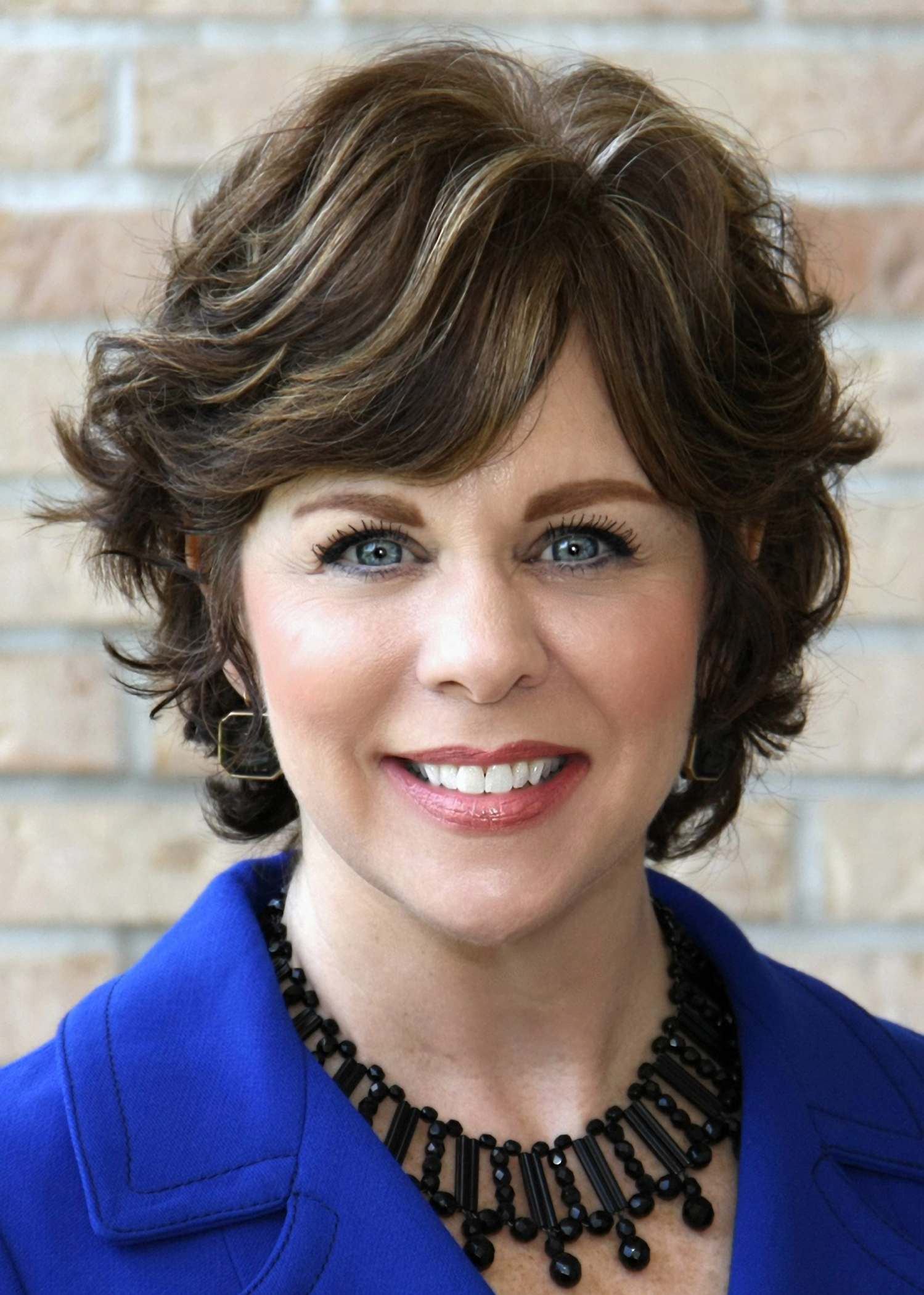
Jane Gentry has had a successful 30-year career as a CEO, Business Consultant, Executive Coach, and Keynoter. Jane formed her practice in 1999 and since then has partnered with her clients to improve growth, profitability, client retention, employee retention, leadership capabilities and business value.
Jane leverages strategies including the proprietary Optimal Value Blueprint to enable business owners and leaders to successfully create healthy organizations, plan for succession or sell their businesses for the highest possible market value.
The world’s most successful organizations have brought Jane on board, including The Home Depot, Philips, Coca-Cola, Stryker, GSK, BlueCross Blue Shield and Mercedes-Benz. Today she leverages that experience to bring best practices to senior leaders and executive teams in mid-market organizations.
Jane is considered one of the top voices in leadership and sales. She has been a guest on numerous podcasts and is a prolific speaker at high-profile meetings worldwide. She has been tapped to address topics including “Selling Value” to “Transitioning your People through Change” and “Inspirational Leadership”. Audiences and clients have described her as a woman with a vision, energetic and inspiring.
Jane holds a BFA/MFA from Kent State University/ The University of Pittsburgh. She is a coach for Harvard University's MBA program in Entrepreneurial Sales and also holds a CPI (Certified Professional Innovator) distinction from GA State University.


