Ep237 Stuart Wachs - Uncover the Hidden Alignment Gaps and Build a Team That Executes
Schedule a Game Plan Intro Call Here
This 15-minute call is a chance for us to connect briefly and see if a full Game Plan Session is the right next step. No prep required — just bring your goals or questions, and we’ll explore whether a deeper dive makes sense.
______________________________
Are you surrounded by talented people but still struggling to turn strategy into results?
In this episode of Get Unstuck & On Target, host Mike O'Neill sits down with Stuart Wachs, founder of Impact Group, who spent more than two decades in the CEO seat leading turnarounds and scaling organizations across both the for-profit and nonprofit sectors. Stuart doesn't separate strategy from culture — he's seen firsthand how they rise or fall together, and he brings the practitioner's perspective that most leadership conversations are missing.
Stuart and Mike get practical fast, covering what a truly aligned leadership team actually looks like, where ownership breaks down even with talented people around the table, and what leaders can do this week to start closing the gap between where they are and where they intend to go.
Three key topics to look out for:
- The function chart exercise that exposes exactly who owns what — and what it means when nobody does
- Why people-centric leadership falls apart when leaders don't visibly live it themselves
- The one conversation your leadership team should have this week to move from activity to real alignment
Stuart Wachs 0:00
Our actions speak much louder than our words, even if our words are so truly sincere. And I've carried that lesson, not just in culture, but in everything, to be so mindful, especially when I was a CEO, of my actions and how I'm living, my days, my nights, my life, to make sure it truly resonates with what I'm trying to do with the company.
Mike O'Neill 0:25
Welcome to get unstuck and on target, the weekly podcast that offers senior leaders insights and strategies to not only lead with confidence and vision, but also to achieve groundbreaking results. I'm your host. Mike O'Neill, I coach top level executives on the power of ethical leadership to forge teams to be as united as they are effective in each episode, join me for insightful conversations with leaders just like you, providing practical advice to help you get unstuck and propel you and your company forward, let's get started. Most leadership teams aren't failing, they're just slightly misaligned and paying for it in execution, energy and focus. In this episode, I sit down with Stuart wax, a former CEO who now coaches leadership teams on alignment that actually holds we talk about why strategy without ownership stalls being people centric is not the same as being people pleasing, and how leaders decide what deserves attention now and what doesn't if You're leading smart people and progress still feels heavier than it should. This conversation will help. I often see this in teams that I work with. The numbers, they look fine, the strategy makes sense, but execution feels harder than it should. In alignment, it feels fragile. My guest today, Stuart wax has spent more than two decades sitting in the CEO seat, founding companies, scaling organizations, leading turnarounds and coaching leadership teams on what actually moves the needle. What caught my attention about Stewart is he doesn't separate strategy from culture. He knows that they're the same conversation where purpose people and execution either align or quietly work against each other. I brought Stuart on because, like the executives that we both work with, he knows that leaders don't need more ideas. They need clarity on what matters most right now. Welcome, Stuart, thanks so much for an intro. Mike, happy to be on with you. Stuart, you were as CEO for over two decades before you moved into your current role. What did that seat as CEO teach you most about leadership and leadership models that most people miss,
Stuart Wachs 3:03
oh so much. I think, like most if I think back when I went from coo to CEO, and I was fortunate that the CEO I was working for was a friend and a mentor, and I remember him giving me advice about how lonely the seat was, and then some other advice about working with horse and et cetera. And because I never been the seat, I thought that's nice, but I don't get it. And then once stepping into that seat, I really realized that it's it's unlike any other seat on the C suite, or anything else you do, or even being a solo entrepreneur, which I've also done, when all of a sudden you're in a seat where you're part of that leadership team, but it ends with you. And while I'm always a big believer in transparency and sharing, there's a lot you're alone on and needing to have other sources to support you, to bounce things around, to help you out. In addition to a really great leadership team, I never realized until I was on it. And I also had a lot of learning lessons on the way about intended and unintended consequences of leadership, and so much that this comes with that position, that function and that role.
Mike O'Neill 4:14
You know, in my intro, I made reference to having kind of organizational alignment and I therefore, before I even go to this next question, what does, in your opinion, an aligned organization look like?
Stuart Wachs 4:29
Beautiful, humming, growing, nailing it, impactful, but seriously. But that, to truly answer your question, it is one where, if you set down, and I'm mostly focused on alignment of leadership team, because that's the space that that I play in, but it cascades and transcends then throughout the organization, that there's, there's radical candor, whether it's one on one, between executive team members or when they're meeting for their monthly that there's, there's. True candor, and there's pushback, and there's dialog, there's there's no one person with the answer that if you ask a question either to describe strategy or about their strategy, you're hearing in unison one voice, and they're driven clearly and unanimously by purpose and values. They are all in it for the right things. They're behaving in the same fashion, and they're being pulled by that same vision and aligned with their purpose. And it just shows in how they act, interact internally, externally. And that's that magic that then leads to strategy, execution, cash, people, everything that will grow impact in revenue.
Mike O'Neill 5:43
I love the way you defined that. You know a CEO could surround themselves with smart, capable people, but they still might struggle with execution. Where do you find it most often breaks down.
Stuart Wachs 6:02
What I found, even just looking back over some of my struggles and my upside ups and downs as a CEO of a for profit and nonprofit organizations and then working with clients, think it falls down in a number of places. A lot of times, you can seem like you're in agreement and in alignment, and they're good men and women, and you're friendly, and you're getting along, and maybe you're having some growth, and then you're not in a lot of pain. But I found most of them, there's really not a strategy. There's some vision. You might have done a strategic planning session where you put some goals for the year, but there's not a strategy that's that's really linked into that long term that's pulling you some midterm and really defining what you're doing, and then where, I think a lot of time, the strategy leading to execution falls down. There really isn't true ownership and accountability, even with a star leadership team, unless there's really meaningful work done around all that work and who's owning what, and a true picture of what success looks like, quarter by quarter for the year, priority by priority, it's it's strategic thought, not really an actionable plan. I think that's where I can find myself guilty looking back. Sometimes I thought I'd really well wired strategy, but it was more vision, thought and concept, not highly actionable and aligned.
Mike O'Neill 7:28
You know, as I was listening to you describe, I heard a number of things. One, you mentioned that what oftentimes is the case is there's not a real strategy. And then you made reference to ownership. This is a scenario. I don't know if it's gonna be realistic or not, but let's say you've got the right skill set around that leadership table. Okay, that team has developed a strategy, but there's a lack of ownership. What would you advise listeners who might have that scenario they're dealing with good people, good plan, but the ownership is not there. What would you suggest that they do?
Stuart Wachs 8:12
Fantastic questions, a couple very simple but incredibly impactful exercises, conversations that can happen. One of the things I'll do with teams is I'll work on a function chart with them, very different than an org chart. I'm not a big believer in org charts. They're kind of helpful in lines of supervision, but they don't do anything to drive an organization, and I'm not even so sure they're so clear on supervision or guidance. So the difference between an org chart and a function chart is I work with a team, and this can be self implemented, where they really individually and then collectively align on what are those key functions that that organization, that business, needs to do well today, and if you have a three year, or at least where you envision yourself being in three years to get there, I mean, you'll almost always have head of company. Most operations might have marketing, sales, finance, accounting. You might have production, you might have quality control. They'll be different for different companies. If it's nonprofit, you might have development, fundraising, whatever it might be. But really understand what those functions are without thinking of people. And then you go through an ownership exercise. When I do this, what I see a lot, and you can self implement this and see it, if you're really being honest, is many times the CEO's names on almost everything, which is not good, yes, many, almost always, there's more than one name on a couple of them, which you can't have ownership. You have duplicate owners. And what happens that all the time, but many times, is you go through and you find something really key, and there's a debate, a discussion about who owns it, which means they have something core to the organization that nobody really owned. So it's, it's full of ahas, and I. Identify. The other thing I'd say is really define ownership, not necessarily who owns what, but what does ownership mean? I like to define it is that person. If I, let's say it's a function. If I own finance, that means I own it. I might only directly do 5% of it, the band, the size of the company, but I own guiding, pushing, driving, mentoring, those results. I own coaching and working with the people doing it. I own those results, whether I specifically did or not. It means you own that function, or you own that priority, or you own that task. It doesn't mean necessarily you're doing it all or any of it, but you truly own it. When it comes time to that leadership team meeting, you're the one reporting, you're the one sharing your stocks. You're the one sharing the successes. So I think wherever you're looking to find ownership, whether it's function, whether it's for Well, hopefully you have your top priority and your core priorities, wherever those ownership lies, really make sure it's delineated, and then what success, or what those key metrics, or KPI or OKR, whatever you're doing are, and then that person leads and runs with it, and they own that. They own that, and the team knows and is very clear on that ownership.
Mike O'Neill 11:11
Sura is a fantastic and comprehensive answer. It dovetails
Stuart Wachs 11:16
very nicely to
Mike O'Neill 11:17
the thing that kind of immediately popped in my mind, and that is, we're talking about the criticality of the people. And right now, our conversation is really around the people at the senior leadership table, if you will. But I, I know, I've, I've read a post that you made that kind of emphasize the importance of being people centric, not people pleasing. What is that difference in your mind?
Stuart Wachs 11:45
Wow, and this is one of those great lessons I've learned. I've always been a and I'm going to answer it a people, a culture junkie, people first in my mind, and let's build that solid culture. But where I think sometimes we can make mistakes or not drive it far enough so it's sustainable and systemic, is being people centric and really driving a fine, positive culture. Does that mean it's the place for everybody? And does that mean that there's not accountability and ownership and solid expectations, but it means those are crystal clear, and you have that foundation about purpose, values, and what I learned having tried this a number of times as CEO, and being really good, but it being too dependent on me really getting to where you're driving behaviors. Because if we think about it, it's not those words up on the wall, it's how we act with each other, internally, customers externally, how we behave. And really when you get those behaviors that drive your values, you have your 234, behaviors identified for every value you you hire by them, you terminate by them, you coach by them, you reward by them, you now have clarity where you're gonna have the right people that are aligned on purpose, values, how they behave, to live them, and then you hold that dear and true, and you're gonna slowly build the right team with the right people that are All rolling the same direction with the same tempo and are on board. So it's not about everybody's the right person. It's not about nice or mean. It's about doing the right thing all the time, even when no one's looking and creating that positive culture in the way you want to for your company, and then letting that drive as a people centered, employee centered, I'm a day everybody talks about NPS, Net Promoter Score, very few focus on enps, really understanding that those people are what's going to drive your company at every single level, and whatever your goal is on it.
Mike O'Neill 13:58
George, you know my background, so obviously I would echo what you just said. You used the expression crystal clear a moment ago, and I kind of like to talk about just the setting of you're in key leadership, and there's a lot happening at once, yes, for the leaders trying to decide what needs attention now and what can wait? How do you guide people on that process? Yeah, it
Stuart Wachs 14:30
is probably the biggest challenge to everybody, but especially at that C level, that leadership team level, whether it's a small company or a large one, there's so many competing priorities, goals, objectives, so a couple of ways that I have as a CEO, and I definitely work into my coaching when I'm working with CEOs and their leadership teams. One is it is not hard to figure out what to say. Yes to it's really hard to figure out what to say no to
AI VO 15:03
good point.
Stuart Wachs 15:04
So we will go through. A lot of people do the stop, start and continue. I tend to just do the stop, because there's multiple lists than what they start doing. Really get clarity on where's that sweet spot for each member that C suite and for the company at all to be what you're good at, what you enjoy doing, what's going to be profitable for the organization, and really trying to get everybody in that position. And then there is that clarity on priorities. When I work with with organizations, they have a number one priority for the year that trumps anything as a company, and then they'll have priority 234, maybe even five that are sub that are crystally important, but number one is going to isn't going to trump it, and that gets divided out. And we do that quarterly, and then individual priorities, so that everybody on that leadership team, it's much easier for them to know what to say no to what to prioritize, and then if you get in the right cadence of really clear, honest communication, the team with each other, it's real easy for everybody to hold each other accountable. So it's it seems next to impossible, but once you get the disciplines and the discipline and the cadence, and you have real clarity on what those number one things I take it down to the dailies. What's the number one thing I have to do today? So you kind of develop, whether you look at like atomic habits, you develop rhythm that lets you get a much clearer focus on what those really important things are.
Mike O'Neill 16:37
Stuart, you and I've had opportunity to have a really rich conversation before we scheduled this podcast. And
Stuart Wachs 16:43
yeah, it
Mike O'Neill 16:44
was that conversation led me to say, you know, I think Stuart would be a great guest on the podcast. One of the things that kind of caught my attention is your nonprofit experience, and just for the set the stage, all of my experience before I started bench builders was in the for profit. I was a volunteer. I was board members and the like. But I have been drawn into the nonprofit world more in a strategy, way more working with the hired head of that nonprofit, sure, but
Stuart Wachs 17:21
I learned a lot. That was the difference, if you would what do most people get wrong? And I'm thinking more about those larger nonprofits that have a lot of moving parts. What do people probably not realize that's going on there? Man, anybody that knows me will think I paid you for that question. It's one of my favorite questions. We honestly hadn't even discussed this going into this mindset. Here's what I mean by that, is so many people think, whether they're on the nonprofit side in their professional experience, or the not or the for profit or about that there's this difference between a nonprofit and a for profit, as far as running it and operationally, there's absolutely not nonprofit is a IRS tax status. You should be as profitable as possible. Thus, instead of shareholder value or owner disbursements or reinvestment in that business to grow it, you're reinvesting those profits to whatever your purpose and mission is. So cash is an important thing. Business models are important things. Overhead is not a bad thing. That destroyed nonprofits somehow they were supposed to be so much more efficient than than for profits, they can operate on on 50% lower margins. So a lot of it is really mindset, of recognizing you're running, whether you're as a board member, a board chair, a CEO or CEO, you're running a very complex, critical business, and you have to have the same focus on strategy and execution and cash and people that you would running a business. I've run both. I actually think it's more complex and harder being a CEO of a nonprofit than a for profit to be, at least from my experience and others I've talked to that have done both.
Mike O'Neill 19:10
I've heard and observed things very similar. You know, we've been talking about organizations. I want to kind of shift gears and maybe get you to share a little bit about yourself, and it would be along the lines of, we all get stuck.
Stuart Wachs 19:26
This show is about
Mike O'Neill 19:28
helping leaders get unstuck. Can you tell me about a time where you felt stuck as a leader and what helped you move forward?
Stuart Wachs 19:38
Yeah, you know, I one that comes to mind, and there will be a couple, so we'll see how much time we have is. And this will go back to that people centric question you asked too, is, if I've always did a lot of turnarounds in both the nonprofit and for profit space, and I've always started with culture and people, and I was doing one in Minnesota, and I was working so hard on Bill. The right culture and doing the training and living and breathing. I've always had this vision of a flat organization, no org charts, you know, super powerful moving forward from from a business and impact standpoint, and for some reason, just people were still focusing too much on hours of work and being in the office, and I couldn't figure out why, because to my heart of hearts, I meant everything I was saying, and I accidentally became a much better leader, and realized what a bad and hypocritical leader I was is. While I was saying all that, I was in the office at No kidding, six, 630 in the morning didn't leave. To eight, 830 and like, No, it was a turnaround. There was some explanation, but not really. And all of a sudden I had a minor health scare that kind of woke me up. And I started focusing more on my first, my physical well being, but then my holistic well being. And I'd go for a walk or run middle of the day. I'd leave at three o'clock to go our kids were younger, then to school event or whatever it was, and almost instantly that hard work I had been doing for three years started working. The whole culture finally made that shift. And where I was stuck was not realizing our actions speak much louder than our words, even if our words are so truly sincere, and I've carried that lesson, not just in culture, but in everything, to be so mindful, especially when I was a CEO of to the my note detail of my actions and how I'm living, my days, my nights, my life, to make sure it truly resonates with what I'm trying to do with the company. And so it was, it was an accidental unstuck, but it was a real powerful unstuck for me, and that's where we're just being open. I think the best thing, best way to get unstuck. This is not a pitch for what both of us do is a coach. Because if the best and the brightest, the top, top athletes in the world, have multiple coaches, they help us uncover our blind spots. They help us see what maybe we should see anyways, but we don't. And if not a coach or really good mentor, someone that can be brutally candidly honest with you, I think, is a huge tool in your kit for getting through those stucks. I appreciate you sharing that. I would like to start our wind down with this conversation around alignment, if you don't mind, and that is for the leader who's listening, who feels that the team's busy, but they're not fully aligned. What would be one conversation or an action that they should take this week? I'd say this week, let's say they're having their senior leadership team meeting this week is sit down and and have the discussion if you don't already have this in existence, and most companies and nonprofits don't come up with even if it's not totally synced, because you haven't gone through the process, what your top goal for the company is, or nonprofit is for that quarter or for that month? Okay, get aligned around that, have that discussion. Shouldn't take a whole lot of time. And then everybody identify one, two or three key priorities for themselves that are aligned to it how they're going to do it doesn't solve it all, but it's the beginning step of getting used to all knowing where you're going, agreeing to where you're going, and understanding their part and then owning it and defining what they're going to do to to drive that entire vessel forward. There's one exercise you can do to at least begin that, and then you clear there's a lot more you can do to maintain alignment and get an alignment in a broader way, and then cascade that throughout the entire organization.
Mike O'Neill 24:06
That's a great suggestion. It ties in beautifully with what you have shared. Stuart, this conversation, as expected, has really been grounded in some real, practical suggestions. What's the best way for people to connect with you, to learn more about you and or your work.
Stuart Wachs 24:25
Great. So a couple you can email me. It's Stuart wax, s t u, a, I'm sorry. It's just Stuart s t u, A, R t at, I m p, G, p.com, Stuart at i m p, like impact, GP, like group.com, or you can go to the website see what we do, and there's a contact form there, and the website is www, dot imp, gp.com,
Mike O'Neill 24:53
excellent. We'll put that in the show notes. And for those who. Are saying, Man, I learned a lot from Stuart wax. You also know his business is called impact. It's called the Impact group. And if Stuart's perspective on alignment and execution, if it resonated with you, I invite you connect with him directly. And those ways to connect will be in the show notes, and if today's conversation might have stirred something about your own leadership, I always end these episodes offering a complimentary two hour game plan session. This is for senior leaders who are ready to move past being stuck. There's going to be no pitch, no pressure, just clarity and a practical next step. If that's something that would interest you or someone you know, you'll find a link to that in the show notes as well. So to everyone listening, thank you for doing the real work that leadership requires, and I hope this has helped you get unstuck and on target. Thank you for joining us for this episode of get unstuck and on target. I hope you've gained insights to help you lead with confidence and drive your organization forward. Remember, at bench builders, we're committed to your success, your leadership excellence and your strategic growth. If you've enjoyed our conversation today, please leave a review rate and subscribe to keep up with our latest episodes. This show really grows when listeners like you share it with others. Who do you know? Who needs to hear what we talked about today, until next time, I encourage you to stay focused on the target and continue to break new ground On your leadership path.
AI VO 27:01
This show is powered by media leads to get your next great podcast produced. Go to media leads, co.com
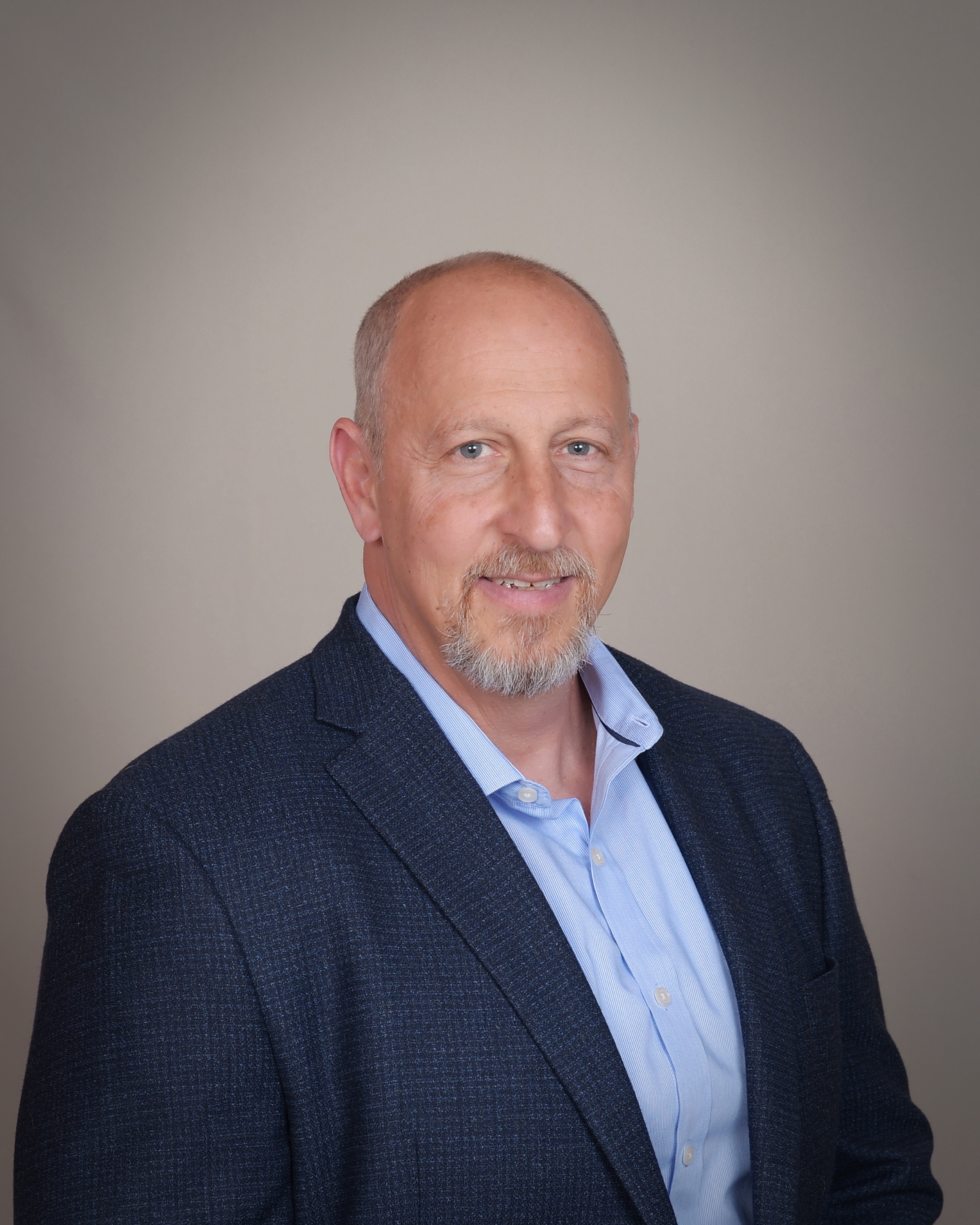
CEO and Business Growth Coach
With over two decades of extensive CEO experience in privately held businesses nonprofits, founding and selling his own company, and serving on boards, Stuart Wachs brings a wealth of leadership to the table. This includes 25 years as a successful CEO and a decade dedicated to coaching and consulting. As a founding CEO, he has a proven track record of guiding organizations through successful startups, strategic scaling, and effective turnarounds across various sectors.
Stuart's unique expertise bridges operations, leadership development, and culture transformation, cultivated in both for-profit and nonprofit environments. Holding extensive training and certification as an organization growth coach, he is dedicated to fostering sustainable revenue growth and amplified impact. Stuart founded The Impact Group to leverage this diverse experience and expertise, empowering CEOs and Boards to maximize their leadership potential and drive significant organizational impact.
He teaches leaders how to transform into an aligned, people centric organization that is excellent at execution.
Offering a unique blend of engagements that help us focus on the most important focus areas at the right time.
With comprehensive growth, strategy, and execution experience, the changes we’ll define together will support revenue growth and team alignment.


